by Yusra » 03 Jan 2026, 17:25
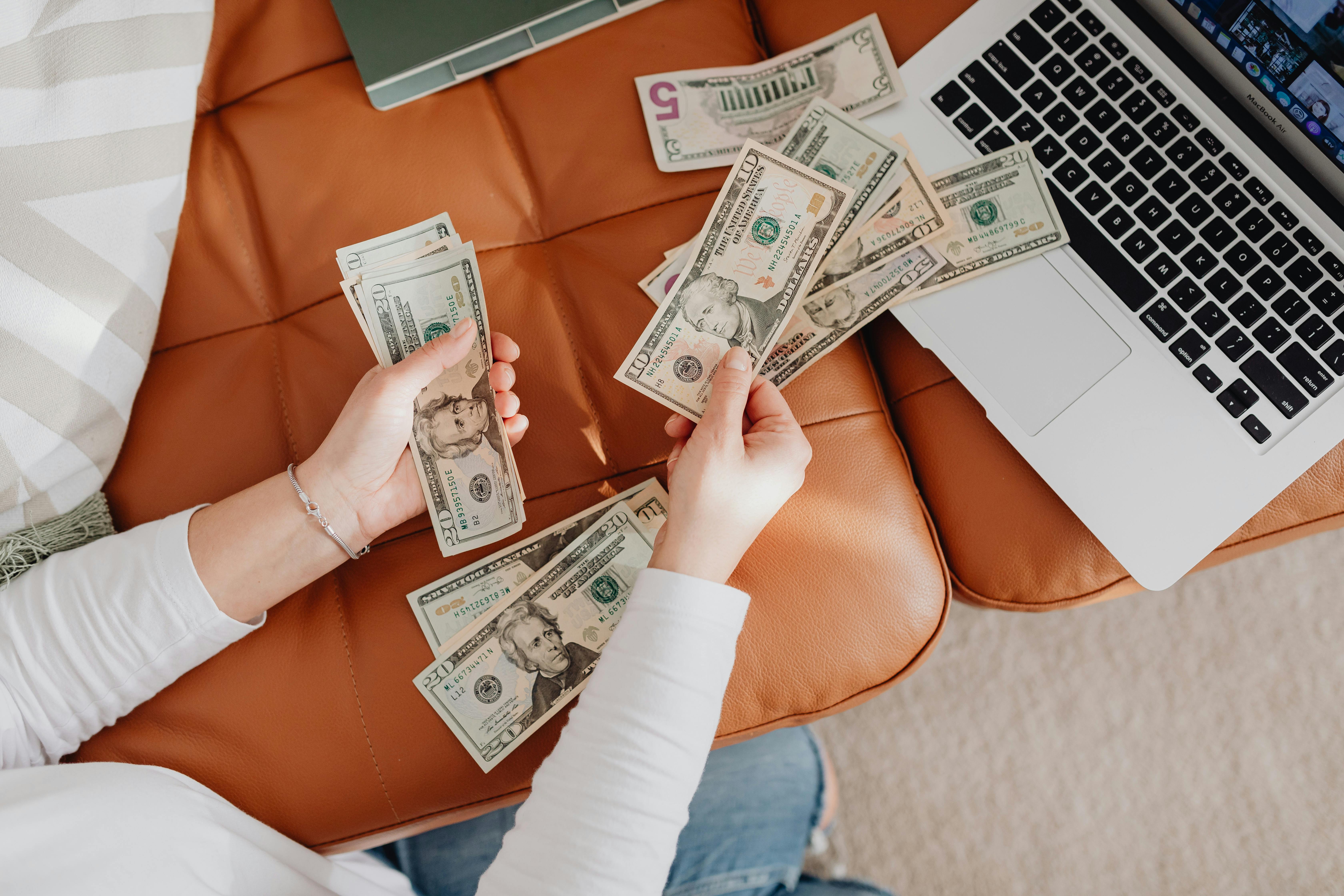
I used to spend $150+ monthly on books, movies, and digital content without thinking much about it. A new book here, a movie rental there, a few ebook purchases, streaming subscriptions. it all added up fast. Then I discovered I could access basically unlimited content for free or very cheap if I was willing to adjust my consumption habits slightly.
Now I spend maybe $20 monthly on entertainment content while consuming more than I did before. Here's exactly how.
Libraries Are Literally MagicModern libraries are nothing like the dusty book repositories you remember from childhood. My library card gives me access to an absurd amount of digital content at zero cost.
Through apps like Libby and Hoopla, I can borrow ebooks, audiobooks, movies, TV shows, music, and magazines. The selection is massive - new releases, bestsellers, classics, obscure indie stuff. All free with a library card.
I "buy" maybe two physical books yearly now versus 20+ before I rediscovered libraries. Audiobooks alone were costing me $15 each through Audible - now they're free through Libby.
My library also has physical movie and TV show collections that blow away most streaming services for variety. Want to watch an obscure foreign film or a TV show from the 90s? Library probably has it.
Total yearly savings from maxing out library resources: easily $800-1,000.
The Streaming Service RotationI covered this in another article, but it bears repeating for books and movies specifically. Subscribe to one service at a time, consume their content, cancel, rotate to the next.
Instead of paying $60+ monthly for Netflix, Hulu, Disney+, HBO Max, and others simultaneously, I pay $15 monthly for whichever service currently has content I want to watch.
This requires patience - I'm watching shows months after they air instead of immediately. But I save $540 yearly and don't actually miss anything, just consume it on a delay.
For books, Kindle Unlimited costs $12 monthly for unlimited reading from their catalog. I subscribe for a month, binge read everything interesting, cancel, then resubscribe months later when new books have been added. Saves me $100+ yearly versus staying subscribed continuously.
Free and Cheap Ebook SourcesAmazon offers hundreds of free Kindle books daily mostly older titles and indie authors, but plenty of quality reading. I've found entire series of good books available free.
Project Gutenberg has over 70,000 free ebooks any book with expired copyright. Every classic you've been meaning to read is there, completely free and legal.
Daily deal sites like BookBub send emails about ebooks on sale for $0.99-2.99.
Public domain audiobooks are free through LibriVox volunteer-narrated classics. Quality varies, but it's free and legal.
Used Books Are Identical to NewI buy maybe two physical books yearly, and I get them used. A "like new" used book on Amazon or ThriftBooks costs $4-8 versus $15-30 new. The reading experience is identical.
Local used bookstores often have great selections at $2-5 per book. I've found signed first editions and rare books for less than new paperbacks cost.
For textbooks (brutal prices), renting or buying used saves hundreds per semester. A $200 new textbook is often $40 used or $25 to rent. After the semester, sell it back or re-list it yourself.
Digital Movie Rentals vs. TheatersNew movie tickets cost $12-18 in my area. Add snacks and you're at $25-35 per person. Digital rentals are $4-6, or free through library services.
I watch maybe two movies in theaters yearly. blockbusters that benefit from the big screen. Everything else gets watched at home for a fraction of the cost.
Even buying digital movies is cheaper than I thought. Sales happen constantly movies that were $20 at release go on sale for $5-8 within months. I've built a decent digital collection spending maybe $50 yearly.
Student and Educator DiscountsIf you're a student or educator, basically every digital service offers significant discounts. Spotify includes Hulu free with student accounts. Amazon Prime is half price for students. Many ebook and audiobook services have education discounts.
These aren't advertised prominently. you have to look for them. But they typically save 30-50% on services you might use anyway.
Content Sharing Within FamiliesAmazon Household, Apple Family Sharing, Google Family. these services let you share digital purchases with family members legally.
My family of four shares one Amazon Prime account, one Apple account for apps and books, and one Spotify family plan. We each pay 25% of what we would individually.
This works for streaming services too. Netflix, Disney+, and others explicitly allow family sharing. Split the cost among actual family members (following terms of service), and everyone saves.
YouTube and Podcasts: Free EntertainmentYouTube has basically unlimited free content documentaries, educational videos, entertainment, music. YouTube Premium ($14 monthly) removes ads and adds background play, but free YouTube with ad-blockers works fine.
Podcasts are completely free and have exploded in quality and variety. I consume probably 10 hours of podcast content weekly at zero cost - true crime, comedy, education, news analysis, fiction.
This free content supplements my paid entertainment budget significantly.
The Patience PayoffThe secret to saving money on content is patience. New releases cost premium prices wait a few months and prices drop dramatically.
I maintain a wishlist of books, movies, and shows I want to consume. When they go on sale, hit the library, or appear on a streaming service I'm rotating to, I consume them then.
Being okay with delayed gratification - watching, reading, and listening to things months after release rather than immediately saves hundreds yearly without actually sacrificing anything except being first.
The Bottom LineI consume more books, movies, and digital content now than when I was spending $150+ monthly. The difference is using free resources (libraries), rotating paid services, buying used or on sale, and being patient.
Entertainment doesn't have to be expensive. You just have to be strategic about accessing it rather than impulsively buying whatever you want the moment you want it.
[img]https://images.pexels.com/photos/5902919/pexels-photo-5902919.jpeg[/img]
I used to spend $150+ monthly on books, movies, and digital content without thinking much about it. A new book here, a movie rental there, a few ebook purchases, streaming subscriptions. it all added up fast. Then I discovered I could access basically unlimited content for free or very cheap if I was willing to adjust my consumption habits slightly.
Now I spend maybe $20 monthly on entertainment content while consuming more than I did before. Here's exactly how.
[b][size=150]Libraries Are Literally Magic[/size][/b]
Modern libraries are nothing like the dusty book repositories you remember from childhood. My library card gives me access to an absurd amount of digital content at zero cost.
Through apps like Libby and Hoopla, I can borrow ebooks, audiobooks, movies, TV shows, music, and magazines. The selection is massive - new releases, bestsellers, classics, obscure indie stuff. All free with a library card.
I "buy" maybe two physical books yearly now versus 20+ before I rediscovered libraries. Audiobooks alone were costing me $15 each through Audible - now they're free through Libby.
My library also has physical movie and TV show collections that blow away most streaming services for variety. Want to watch an obscure foreign film or a TV show from the 90s? Library probably has it.
Total yearly savings from maxing out library resources: easily $800-1,000.
[b][size=150]The Streaming Service Rotation[/size][/b]
I covered this in another article, but it bears repeating for books and movies specifically. Subscribe to one service at a time, consume their content, cancel, rotate to the next.
Instead of paying $60+ monthly for Netflix, Hulu, Disney+, HBO Max, and others simultaneously, I pay $15 monthly for whichever service currently has content I want to watch.
This requires patience - I'm watching shows months after they air instead of immediately. But I save $540 yearly and don't actually miss anything, just consume it on a delay.
For books, Kindle Unlimited costs $12 monthly for unlimited reading from their catalog. I subscribe for a month, binge read everything interesting, cancel, then resubscribe months later when new books have been added. Saves me $100+ yearly versus staying subscribed continuously.
[b][size=150]Free and Cheap Ebook Sources[/size][/b]
Amazon offers hundreds of free Kindle books daily mostly older titles and indie authors, but plenty of quality reading. I've found entire series of good books available free.
Project Gutenberg has over 70,000 free ebooks any book with expired copyright. Every classic you've been meaning to read is there, completely free and legal.
Daily deal sites like BookBub send emails about ebooks on sale for $0.99-2.99.
Public domain audiobooks are free through LibriVox volunteer-narrated classics. Quality varies, but it's free and legal.
[b][size=150]Used Books Are Identical to New[/size][/b]
I buy maybe two physical books yearly, and I get them used. A "like new" used book on Amazon or ThriftBooks costs $4-8 versus $15-30 new. The reading experience is identical.
Local used bookstores often have great selections at $2-5 per book. I've found signed first editions and rare books for less than new paperbacks cost.
For textbooks (brutal prices), renting or buying used saves hundreds per semester. A $200 new textbook is often $40 used or $25 to rent. After the semester, sell it back or re-list it yourself.
[b][size=150]Digital Movie Rentals vs. Theaters[/size][/b]
New movie tickets cost $12-18 in my area. Add snacks and you're at $25-35 per person. Digital rentals are $4-6, or free through library services.
I watch maybe two movies in theaters yearly. blockbusters that benefit from the big screen. Everything else gets watched at home for a fraction of the cost.
Even buying digital movies is cheaper than I thought. Sales happen constantly movies that were $20 at release go on sale for $5-8 within months. I've built a decent digital collection spending maybe $50 yearly.
[b][size=150]Student and Educator Discounts[/size][/b]
If you're a student or educator, basically every digital service offers significant discounts. Spotify includes Hulu free with student accounts. Amazon Prime is half price for students. Many ebook and audiobook services have education discounts.
These aren't advertised prominently. you have to look for them. But they typically save 30-50% on services you might use anyway.
[b][size=150]Content Sharing Within Families[/size][/b]
Amazon Household, Apple Family Sharing, Google Family. these services let you share digital purchases with family members legally.
My family of four shares one Amazon Prime account, one Apple account for apps and books, and one Spotify family plan. We each pay 25% of what we would individually.
This works for streaming services too. Netflix, Disney+, and others explicitly allow family sharing. Split the cost among actual family members (following terms of service), and everyone saves.
[b][size=150]YouTube and Podcasts: Free Entertainment[/size][/b]
YouTube has basically unlimited free content documentaries, educational videos, entertainment, music. YouTube Premium ($14 monthly) removes ads and adds background play, but free YouTube with ad-blockers works fine.
Podcasts are completely free and have exploded in quality and variety. I consume probably 10 hours of podcast content weekly at zero cost - true crime, comedy, education, news analysis, fiction.
This free content supplements my paid entertainment budget significantly.
[b][size=150]The Patience Payoff[/size][/b]
The secret to saving money on content is patience. New releases cost premium prices wait a few months and prices drop dramatically.
I maintain a wishlist of books, movies, and shows I want to consume. When they go on sale, hit the library, or appear on a streaming service I'm rotating to, I consume them then.
Being okay with delayed gratification - watching, reading, and listening to things months after release rather than immediately saves hundreds yearly without actually sacrificing anything except being first.
[b][size=150]The Bottom Line[/size][/b]
I consume more books, movies, and digital content now than when I was spending $150+ monthly. The difference is using free resources (libraries), rotating paid services, buying used or on sale, and being patient.
Entertainment doesn't have to be expensive. You just have to be strategic about accessing it rather than impulsively buying whatever you want the moment you want it.