



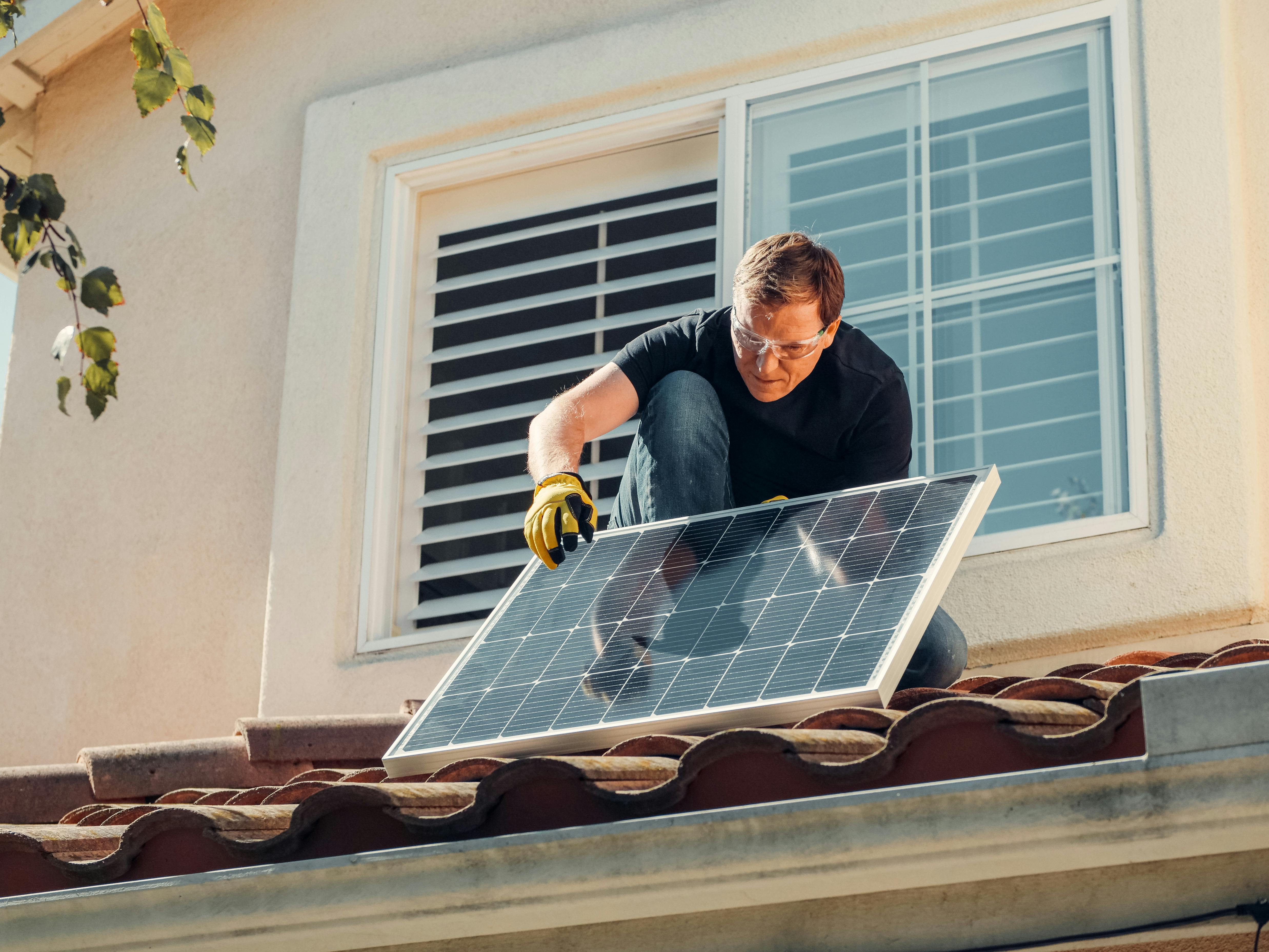
I learned the hard way that ignoring small home maintenance issues doesn't make them go away it makes them expensive. A small roof leak we ignored for six months caused $3,000 in water damage and mold remediation. A clogged gutter we didn't clean led to foundation problems that cost $1,500 to fix.
Home maintenance feels like a hassle when everything's working fine, but it's dramatically cheaper than emergency repairs. Here's what I've learned about preventing small issues from becoming financial disasters.
The Seasonal Inspection Routine
Most major home problems give you warning signs if you're paying attention. we now do basic inspections four times yearly, spending maybe an hour each season walking around looking for issues.
Spring: Check the roof for damaged shingles after winter, inspect foundation for cracks, test sprinkler systems, check air conditioning before summer hits.
Summer: Look for signs of pests, check deck and fence condition, inspect exterior paint and siding, clean gutters before fall.
Fall: Check heating system before winter, inspect windows and doors for drafts, clear gutters again after leaves fall, check attic insulation.
Winter: Look for ice dams on roof, check for drafts around windows and doors, monitor for signs of pipe freezing.
These inspections catch small problems early when fixes are cheap. A few loose shingles cost $50 to repair. Waiting until water leaks through your ceiling costs thousands.
HVAC Maintenance Pays for Itself
we used to skip HVAC maintenance to "save money." Then my furnace died in January, and the emergency replacement plus overnight service fees cost me $4,500.
Now we pay $150 yearly for professional HVAC maintenance filter changes, cleaning, inspection, minor adjustments. This service has caught several small issues before they became expensive failures.
A technician found a cracked heat exchanger that would have failed within months, potentially causing carbon monoxide issues and definitely requiring emergency replacement. Catching it early meant we could plan and budget for replacement instead of paying emergency rates.
The maintenance also improves efficiency. My heating and cooling costs dropped about 15% after the first professional tune-up because the system was running optimally.
Gutter Cleaning Is Non-Negotiable
We hate cleaning gutters. It's tedious and slightly dangerous. But clogged gutters cause expensive problems: water damage to siding and foundation, roof damage, basement flooding, landscaping erosion.
We clean gutters twice yearly in spring and fall, or we pay someone $100-150 to do it. Either way, it's happening because the alternative is thousands in water damage.
We also installed gutter guards, which cost about $600 but dramatically reduced maintenance needs. Now we only clean gutters annually instead of multiple times yearly.
Water Heater Maintenance
Most people ignore water heaters until they fail catastrophically, flooding homes and requiring emergency replacement. Basic maintenance extends lifespan and prevents disasters.
Once yearly, We drain a few gallons from the tank to remove sediment buildup. Takes maybe 20 minutes. We also check the pressure relief valve and inspect for leaks or corrosion.
These simple tasks have extended my water heater's life by years and prevent the scenario where it fails while I'm on vacation and floods my house.
Caulk and Weatherstripping
Water intrusion causes most expensive home damage. Preventing water from entering through small gaps is incredibly cost-effective.
We spend maybe $30 yearly on caulk and weatherstripping, taking a few hours to seal gaps around windows, doors, pipes, and other penetrations. This prevents water damage, reduces energy costs, and keeps pests out.
A tube of caulk costs $5 and can prevent thousands in water damage. It's probably the best return on investment of any home maintenance.
Pest Prevention
Small pest problems become expensive fast. Termites, carpenter ants, rodents. they all cause structural damage if left unchecked.
We do quarterly exterior inspections looking for signs of pest activity. We also maintain a pest-free perimeter by keeping vegetation trimmed away from the house, sealing entry points, and addressing moisture issues that attract pests.
Annual pest inspections by professionals cost $100-150 and have caught termite activity early multiple times, allowing for cheap treatment instead of expensive structural repairs.
Appliance Maintenance
Appliances last way longer with basic maintenance. We clean refrigerator coils twice yearly, clean dryer vents regularly, run washing machine cleaning cycles monthly, and descale the dishwasher.
These simple tasks prevent premature appliance failure and improve efficiency. A $2,000 refrigerator lasting 15 years instead of 10 because of basic maintenance is significant savings.
We also catch small issues early like a washing machine that started making weird noises. A $75 repair prevented complete failure that would have required $800 replacement.
The Maintenance Fund
We keep a separate savings account for home maintenance, contributing $150 monthly. This fund covers routine maintenance costs and builds a buffer for unexpected repairs.
Having this dedicated fund means we don't skip maintenance to "save money" because the money is specifically allocated for that purpose. It also means unexpected repairs don't destroy my budget.
After two years, this fund had accumulated enough to cover a major roof repair without stress or debt. The monthly contributions felt manageable, while a $4,000 surprise expense would have been devastating.
The Real Cost of Neglect
Deferred maintenance always costs more than preventive maintenance. Always. That small roof leak becomes water damage, mold, and structural issues. The ignored furnace noise becomes complete failure during the coldest week of winter.
I've paid for enough expensive repairs caused by neglect to know that spending a few hundred yearly on maintenance beats spending thousands on emergency repairs.
The Bottom Line
Home maintenance isn't exciting or fun, but it's way cheaper than letting problems develop into expensive disasters. A few hours quarterly doing inspections and basic maintenance, plus professional service for major systems, prevents most catastrophic failures.
The house you maintain stays valuable and functional. The house you neglect becomes a money pit of emergency repairs and declining value. Choose wisely.


