by Yusra » 22 Aug 2024, 06:07
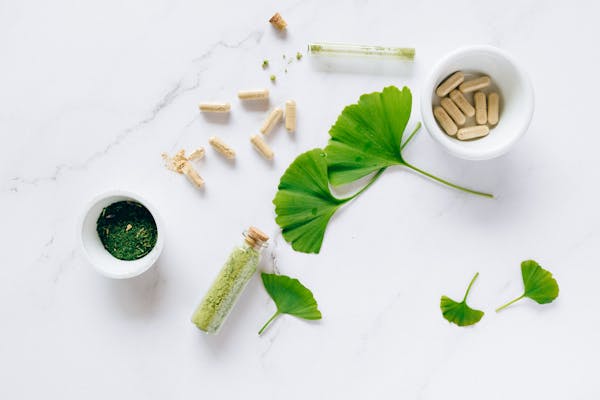
In our quest for optimal health, many of us turn to supplements as a quick fix to boost our immune systems. With countless products lining the shelves promising to ward off illness and supercharge our body's defenses, it's tempting to believe that the key to robust health lies in a bottle. But can supplements really improve your immunity? Let's dive into the science behind immune-boosting supplements and separate fact from fiction.
Understanding Your Immune SystemBefore we can assess the effectiveness of supplements, it's crucial to understand how our immune system works. The immune system is not a single entity, but a complex network of cells, tissues, and organs working together to defend the body against harmful pathogens. It's a delicate balance, and the idea that we can simply "boost" it with a pill is an oversimplification of a highly intricate system.
Our immune system is influenced by various factors, including diet, sleep, stress, and overall lifestyle. While supplements can play a role in supporting immune function, they're not a magic bullet for preventing illness or dramatically improving immunity.
Common Immune-Boosting SupplementsSeveral supplements are frequently touted for their immune-enhancing properties. Let's examine some of the most popular ones:
1. Vitamin C: Perhaps the most well-known immune booster, vitamin C is an antioxidant that supports the function of various immune cells. While it may slightly reduce the duration of colds, there's limited evidence that it prevents illness in the general population.
2. Vitamin D: Often called the "sunshine vitamin," vitamin D plays a crucial role in immune function. Deficiency has been linked to increased susceptibility to infection, making supplementation potentially beneficial for those with low levels.
3. Zinc: This mineral is essential for the development and function of immune cells. Some studies suggest zinc lozenges may reduce the duration of the common cold, but results are mixed.
4. Elderberry: Often used in traditional medicine, elderberry has gained popularity for its potential antiviral properties. While some studies show promise, more research is needed to confirm its effectiveness.
5. Echinacea: This herb has long been used to prevent and treat colds, but scientific evidence of its efficacy is inconsistent.
6. Probiotics: These "good" bacteria support gut health, which is closely linked to immune function. While probiotics show promise, their effects can vary widely depending on the specific strains used.
The Science Behind Supplement EfficacyWhile some studies suggest certain supplements may have immune-supporting properties, the evidence is often mixed or inconclusive. Many studies on supplements are small, short-term, or lack the rigorous methodology needed to draw definitive conclusions.
It's also worth noting that the supplement industry is largely unregulated in many countries, including the United States. This means that the quality and potency of supplements can vary significantly between brands and even batches.
Moreover, our bodies are designed to absorb nutrients from food more effectively than from supplements. A balanced diet rich in fruits, vegetables, lean proteins, and whole grains typically provides all the nutrients needed for a healthy immune system.
Potential Risks of Over-SupplementationWhile supplements are generally safe when taken as directed, it's possible to have too much of a good thing. Excessive intake of certain vitamins and minerals can lead to adverse effects. For example, too much zinc can interfere with copper absorption, while high doses of vitamin C may cause digestive issues.
Additionally, some supplements can interact with medications or affect the outcome of medical tests. It's always wise to consult with a healthcare provider before starting any new supplement regimen, especially if you have underlying health conditions or are taking medications.
The Bottom Line: A Holistic Approach to ImmunityWhile supplements may have a place in supporting immune health, particularly for those with deficiencies, they're not a substitute for a healthy lifestyle. The most effective ways to support your immune system include:
1. Eating a balanced diet rich in fruits and vegetables
2. Getting regular exercise
3. Managing stress through techniques like meditation or yoga
4. Prioritizing quality sleep
5. Maintaining good hygiene practices, like regular handwashing
6. Staying up to date with vaccinations
These lifestyle factors have been consistently shown to have a positive impact on immune function and overall health.
If you do choose to use supplements, it's important to do so wisely. Look for products from reputable manufacturers, and be wary of extravagant claims. Remember that supplements are meant to supplement, not replace, a healthy diet and lifestyle.
In conclusion, while certain supplements may offer some benefits in supporting immune function, they're not a panacea for boosting immunity. The most effective approach to maintaining a robust immune system is a holistic one that focuses on overall health and well-being. By prioritizing a healthy lifestyle and consulting with healthcare professionals when needed, you can give your immune system the support it needs to function at its best. Supplements may play a role in this overall strategy, but they should be viewed as just one piece of the larger puzzle of immune health.
[img]https://images.pexels.com/photos/7615621/pexels-photo-7615621.jpeg?auto=compress&cs=tinysrgb&w=600[/img]
In our quest for optimal health, many of us turn to supplements as a quick fix to boost our immune systems. With countless products lining the shelves promising to ward off illness and supercharge our body's defenses, it's tempting to believe that the key to robust health lies in a bottle. But can supplements really improve your immunity? Let's dive into the science behind immune-boosting supplements and separate fact from fiction.
[b][size=150]Understanding Your Immune System[/size][/b]
Before we can assess the effectiveness of supplements, it's crucial to understand how our immune system works. The immune system is not a single entity, but a complex network of cells, tissues, and organs working together to defend the body against harmful pathogens. It's a delicate balance, and the idea that we can simply "boost" it with a pill is an oversimplification of a highly intricate system.
Our immune system is influenced by various factors, including diet, sleep, stress, and overall lifestyle. While supplements can play a role in supporting immune function, they're not a magic bullet for preventing illness or dramatically improving immunity.
[b][size=150]Common Immune-Boosting Supplements[/size][/b]
Several supplements are frequently touted for their immune-enhancing properties. Let's examine some of the most popular ones:
[b][size=150]1. Vitamin C:[/size][/b] Perhaps the most well-known immune booster, vitamin C is an antioxidant that supports the function of various immune cells. While it may slightly reduce the duration of colds, there's limited evidence that it prevents illness in the general population.
[b][size=150]2. Vitamin D: [/size][/b]Often called the "sunshine vitamin," vitamin D plays a crucial role in immune function. Deficiency has been linked to increased susceptibility to infection, making supplementation potentially beneficial for those with low levels.
[b][size=150]3. Zinc:[/size][/b] This mineral is essential for the development and function of immune cells. Some studies suggest zinc lozenges may reduce the duration of the common cold, but results are mixed.
[b][size=150]4. Elderberry: [/size][/b]Often used in traditional medicine, elderberry has gained popularity for its potential antiviral properties. While some studies show promise, more research is needed to confirm its effectiveness.
[b][size=150]5. Echinacea:[/size][/b] This herb has long been used to prevent and treat colds, but scientific evidence of its efficacy is inconsistent.
[b][size=150]6. Probiotics:[/size][/b] These "good" bacteria support gut health, which is closely linked to immune function. While probiotics show promise, their effects can vary widely depending on the specific strains used.
[b][size=150]The Science Behind Supplement Efficacy[/size][/b]
While some studies suggest certain supplements may have immune-supporting properties, the evidence is often mixed or inconclusive. Many studies on supplements are small, short-term, or lack the rigorous methodology needed to draw definitive conclusions.
It's also worth noting that the supplement industry is largely unregulated in many countries, including the United States. This means that the quality and potency of supplements can vary significantly between brands and even batches.
Moreover, our bodies are designed to absorb nutrients from food more effectively than from supplements. A balanced diet rich in fruits, vegetables, lean proteins, and whole grains typically provides all the nutrients needed for a healthy immune system.
[b][size=150]Potential Risks of Over-Supplementation[/size][/b]
While supplements are generally safe when taken as directed, it's possible to have too much of a good thing. Excessive intake of certain vitamins and minerals can lead to adverse effects. For example, too much zinc can interfere with copper absorption, while high doses of vitamin C may cause digestive issues.
Additionally, some supplements can interact with medications or affect the outcome of medical tests. It's always wise to consult with a healthcare provider before starting any new supplement regimen, especially if you have underlying health conditions or are taking medications.
[b][size=150]The Bottom Line: A Holistic Approach to Immunity[/size][/b]
While supplements may have a place in supporting immune health, particularly for those with deficiencies, they're not a substitute for a healthy lifestyle. The most effective ways to support your immune system include:
1. Eating a balanced diet rich in fruits and vegetables
2. Getting regular exercise
3. Managing stress through techniques like meditation or yoga
4. Prioritizing quality sleep
5. Maintaining good hygiene practices, like regular handwashing
6. Staying up to date with vaccinations
These lifestyle factors have been consistently shown to have a positive impact on immune function and overall health.
If you do choose to use supplements, it's important to do so wisely. Look for products from reputable manufacturers, and be wary of extravagant claims. Remember that supplements are meant to supplement, not replace, a healthy diet and lifestyle.
In conclusion, while certain supplements may offer some benefits in supporting immune function, they're not a panacea for boosting immunity. The most effective approach to maintaining a robust immune system is a holistic one that focuses on overall health and well-being. By prioritizing a healthy lifestyle and consulting with healthcare professionals when needed, you can give your immune system the support it needs to function at its best. Supplements may play a role in this overall strategy, but they should be viewed as just one piece of the larger puzzle of immune health.