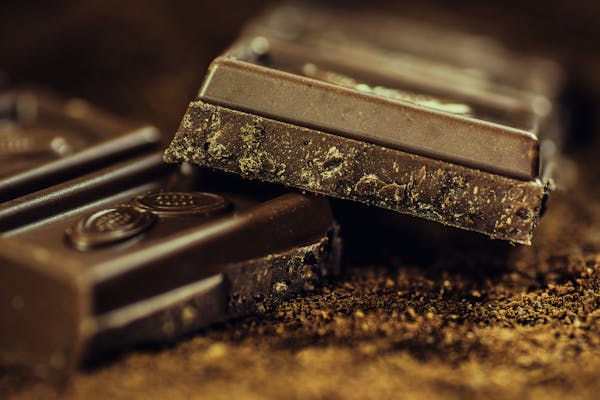
Chocolate, once considered a guilty pleasure, has been gaining recognition in the health and nutrition world for its potential benefits. As a nutritionist, I'm often asked about the role of chocolate in a balanced diet. Let's unwrap the truth about this beloved treat and explore the science-backed health benefits of chocolate.
The Nutritional Profile of ChocolateBefore we dive into the benefits, it's crucial to understand what makes chocolate a potential health food. The key lies in its rich content of:
1. Antioxidants: Particularly flavonoids and polyphenols
2. Minerals: Including iron, magnesium, and zinc
3. Fiber: Especially in dark chocolate varieties
However, not all chocolate is created equal. The health benefits we'll discuss primarily apply to dark chocolate with high cocoa content (70% or more).
Heart Health: Chocolate's Sweet SpotOne of the most researched areas of chocolate's health benefits is its potential positive impact on cardiovascular health.
Blood Pressure RegulationStudies have shown that the flavonoids in dark chocolate can help:
- Improve blood flow
- Lower blood pressure
- Reduce the risk of hypertension
Cholesterol ManagementRegular consumption of dark chocolate may:
- Increase HDL (good) cholesterol
- Lower LDL (bad) cholesterol levels
These effects contribute to a reduced risk of heart disease and stroke.
Cognitive Function: Food for ThoughtThe benefits of chocolate extend to brain health, making it a smart choice for cognitive function.
Improved Brain FunctionThe flavonoids in cocoa can:
- Enhance cognitive performance
- Improve blood flow to the brain
- Potentially reduce the risk of neurodegenerative diseases
Mood EnhancementChocolate contains compounds that can boost mood by:
- Increasing serotonin production
- Stimulating the release of endorphins
This explains why many people reach for chocolate when feeling down.
Weight Management: A Surprising AllyWhile it might seem counterintuitive, dark chocolate can be part of a healthy weight management plan.
Satiety and Reduced CravingsThe fiber and fat content in dark chocolate can:
- Increase feelings of fullness
- Reduce cravings for sweet, salty, and fatty foods
Metabolism BoostSome studies suggest that dark chocolate may:
- Improve insulin sensitivity
- Reduce inflammation
- Potentially aid in fat burning
However, moderation is key, as chocolate is still calorie-dense.
Skin Health: Beauty from WithinThe antioxidants in chocolate don't just work internally; they can benefit your skin too.
Protection Against Sun DamageFlavonoids in dark chocolate may:
- Protect against harmful UV rays
- Improve skin hydration and density
Anti-Aging PropertiesRegular consumption of dark chocolate might:
- Reduce the appearance of wrinkles
- Improve overall skin texture
Diabetes Management: A Balancing ActContrary to popular belief, chocolate (in moderation) may have a place in a diabetic diet.
Blood Sugar ControlDark chocolate has been shown to:
- Improve insulin sensitivity
- Potentially lower the risk of developing type 2 diabetes
Antioxidant ProtectionThe antioxidants in chocolate can help:
- Reduce oxidative stress
- Protect against diabetes-related complications
However, it's crucial for diabetics to consult with their healthcare provider before adding chocolate to their diet.
Choosing the Right ChocolateTo maximize the health benefits of chocolate, keep these tips in mind:
1. Opt for Dark: Choose dark chocolate with at least 70% cocoa content
2. Check the Sugar: Look for varieties with low added sugar
3. Mind the Portion: Stick to 1-2 ounces per day
4. Quality Matters: Choose organic, fair-trade options when possible
Potential Risks and ConsiderationsWhile chocolate offers numerous health benefits, it's important to be aware of potential risks:
1. Caffeine Content: Dark chocolate contains caffeine, which may affect sleep or anxiety in sensitive individuals
2. Migraine Trigger: For some, chocolate can trigger migraines
3. Weight Gain: Overconsumption can lead to excess calorie intake
4. Interaction: Chocolate may interact with certain medications
Always consult with a healthcare professional if you have concerns.
Incorporating Chocolate into a Healthy DietHere are some delicious and nutritious ways to enjoy chocolate:
1. Pair dark chocolate with fresh berries for an antioxidant-rich snack
2. Add cocoa powder to your morning smoothie
3. Enjoy a small square of dark chocolate with your afternoon tea
4. Use cocoa nibs as a topping for yogurt or oatmeal
Conclusion: Embracing Chocolate as Part of a Balanced DietI believe that chocolate, particularly dark chocolate, can be part of a healthy, balanced diet. Its rich antioxidant content, potential heart health benefits, and positive effects on mood and cognition make it a treat you can feel good about enjoying in moderation.
Remember, the key to reaping the health benefits of chocolate lies in choosing high-quality, dark varieties and consuming them in moderation. By doing so, you can satisfy your sweet tooth while potentially boosting your overall health.
So go ahead, indulge in a piece of dark chocolate. Your taste buds - and your body - will thank you!
[img]https://images.pexels.com/photos/65882/chocolate-dark-coffee-confiserie-65882.jpeg?auto=compress&cs=tinysrgb&w=600[/img]
Chocolate, once considered a guilty pleasure, has been gaining recognition in the health and nutrition world for its potential benefits. As a nutritionist, I'm often asked about the role of chocolate in a balanced diet. Let's unwrap the truth about this beloved treat and explore the science-backed health benefits of chocolate.
[b][size=150]The Nutritional Profile of Chocolate[/size][/b]
Before we dive into the benefits, it's crucial to understand what makes chocolate a potential health food. The key lies in its rich content of:
[b][size=150]1. Antioxidants: [/size][/b]Particularly flavonoids and polyphenols
[b][size=150]2. Minerals: [/size][/b]Including iron, magnesium, and zinc
[b][size=150]3. Fiber: [/size][/b]Especially in dark chocolate varieties
However, not all chocolate is created equal. The health benefits we'll discuss primarily apply to dark chocolate with high cocoa content (70% or more).
[b][size=150]Heart Health: Chocolate's Sweet Spot[/size][/b]
One of the most researched areas of chocolate's health benefits is its potential positive impact on cardiovascular health.
[b][size=150]Blood Pressure Regulation[/size][/b]
Studies have shown that the flavonoids in dark chocolate can help:
- Improve blood flow
- Lower blood pressure
- Reduce the risk of hypertension
[b][size=150]Cholesterol Management[/size][/b]
Regular consumption of dark chocolate may:
- Increase HDL (good) cholesterol
- Lower LDL (bad) cholesterol levels
These effects contribute to a reduced risk of heart disease and stroke.
[b][size=150]Cognitive Function: Food for Thought[/size][/b]
The benefits of chocolate extend to brain health, making it a smart choice for cognitive function.
[b][size=150]Improved Brain Function[/size][/b]
The flavonoids in cocoa can:
- Enhance cognitive performance
- Improve blood flow to the brain
- Potentially reduce the risk of neurodegenerative diseases
[b][size=150]Mood Enhancement[/size][/b]
Chocolate contains compounds that can boost mood by:
- Increasing serotonin production
- Stimulating the release of endorphins
This explains why many people reach for chocolate when feeling down.
[b][size=150]Weight Management: A Surprising Ally[/size][/b]
While it might seem counterintuitive, dark chocolate can be part of a healthy weight management plan.
[b][size=150]Satiety and Reduced Cravings[/size][/b]
The fiber and fat content in dark chocolate can:
- Increase feelings of fullness
- Reduce cravings for sweet, salty, and fatty foods
[b][size=150]Metabolism Boost[/size][/b]
Some studies suggest that dark chocolate may:
- Improve insulin sensitivity
- Reduce inflammation
- Potentially aid in fat burning
However, moderation is key, as chocolate is still calorie-dense.
[b][size=150]Skin Health: Beauty from Within[/size][/b]
The antioxidants in chocolate don't just work internally; they can benefit your skin too.
[b][size=150]Protection Against Sun Damage[/size][/b]
Flavonoids in dark chocolate may:
- Protect against harmful UV rays
- Improve skin hydration and density
[b][size=150]Anti-Aging Properties[/size][/b]
Regular consumption of dark chocolate might:
- Reduce the appearance of wrinkles
- Improve overall skin texture
[b][size=150]Diabetes Management: A Balancing Act[/size][/b]
Contrary to popular belief, chocolate (in moderation) may have a place in a diabetic diet.
[b][size=150]Blood Sugar Control[/size][/b]
Dark chocolate has been shown to:
- Improve insulin sensitivity
- Potentially lower the risk of developing type 2 diabetes
[b][size=150]Antioxidant Protection[/size][/b]
The antioxidants in chocolate can help:
- Reduce oxidative stress
- Protect against diabetes-related complications
However, it's crucial for diabetics to consult with their healthcare provider before adding chocolate to their diet.
[b][size=150]Choosing the Right Chocolate[/size][/b]
To maximize the health benefits of chocolate, keep these tips in mind:
[b][size=150]1. Opt for Dark:[/size][/b] Choose dark chocolate with at least 70% cocoa content
[b][size=150]2. Check the Sugar:[/size][/b] Look for varieties with low added sugar
[b][size=150]3. Mind the Portion:[/size][/b] Stick to 1-2 ounces per day
[b][size=150]4. Quality Matters:[/size][/b] Choose organic, fair-trade options when possible
[b][size=150]Potential Risks and Considerations[/size][/b]
While chocolate offers numerous health benefits, it's important to be aware of potential risks:
[b][size=150]1. Caffeine Content:[/size][/b] Dark chocolate contains caffeine, which may affect sleep or anxiety in sensitive individuals
[b][size=150]2. Migraine Trigger:[/size][/b] For some, chocolate can trigger migraines
[b][size=150]3. Weight Gain: [/size][/b]Overconsumption can lead to excess calorie intake
[b][size=150]4. Interaction:[/size][/b] Chocolate may interact with certain medications
Always consult with a healthcare professional if you have concerns.
[b][size=150]Incorporating Chocolate into a Healthy Diet[/size][/b]
Here are some delicious and nutritious ways to enjoy chocolate:
1. Pair dark chocolate with fresh berries for an antioxidant-rich snack
2. Add cocoa powder to your morning smoothie
3. Enjoy a small square of dark chocolate with your afternoon tea
4. Use cocoa nibs as a topping for yogurt or oatmeal
[b][size=150]Conclusion: Embracing Chocolate as Part of a Balanced Diet[/size][/b]
I believe that chocolate, particularly dark chocolate, can be part of a healthy, balanced diet. Its rich antioxidant content, potential heart health benefits, and positive effects on mood and cognition make it a treat you can feel good about enjoying in moderation.
Remember, the key to reaping the health benefits of chocolate lies in choosing high-quality, dark varieties and consuming them in moderation. By doing so, you can satisfy your sweet tooth while potentially boosting your overall health.
So go ahead, indulge in a piece of dark chocolate. Your taste buds - and your body - will thank you!