 by Yusra » 24 Aug 2024, 06:25
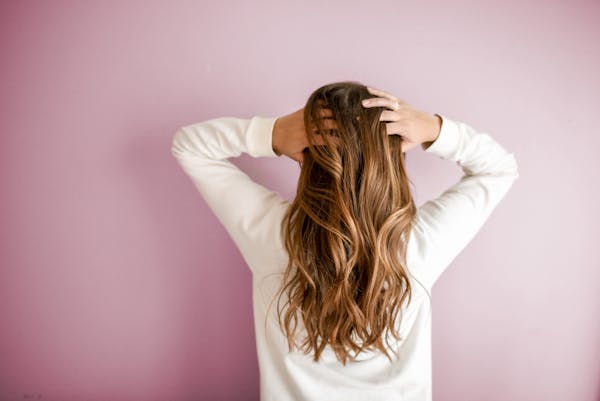
We often hear that you are what you eat, but did you know that this applies to your hair too? While fancy shampoos and conditioners can work wonders on the surface, the secret to truly luscious locks starts from within. Your diet plays a crucial role in the health, strength, and shine of your hair. So, if you're dreaming of that commercial-worthy mane, it might be time to take a closer look at what's on your plate. Let's dive into the foods that can help you achieve that enviable head of hair.
Protein: The Building Blocks of Great HairHair is primarily made up of protein, specifically a protein called keratin. Therefore, it's no surprise that getting enough protein in your diet is essential for healthy hair growth. Aim to include lean meats, fish, eggs, and legumes in your meals. For vegetarians and vegans, quinoa, nuts, and seeds are excellent sources of plant-based protein.
Salmon, in particular, is a superstar when it comes to hair health. Not only is it rich in protein, but it also contains omega-3 fatty acids, which nourish hair follicles and can help prevent dry, dull hair. If you're not a fan of salmon, try other fatty fish like mackerel or sardines, or consider a fish oil supplement.
Iron: Combating Hair LossIron deficiency is one of the most common nutritional deficiencies and can lead to hair loss. To keep your iron levels up, incorporate iron-rich foods into your diet. Red meat, spinach, and other leafy greens are excellent sources. Pair these with vitamin C-rich foods like citrus fruits or bell peppers to enhance iron absorption.
Vitamin A: For a Healthy ScalpA healthy scalp is the foundation for healthy hair, and vitamin A plays a crucial role in producing sebum, the natural oil that moisturizes your scalp. Sweet potatoes, carrots, and pumpkins are all rich in beta-carotene, which your body converts to vitamin A. Just don't go overboard – too much vitamin A can actually contribute to hair loss.
Biotin: The Hair Growth VitaminBiotin, also known as vitamin B7, is often touted as a miracle worker for hair growth. While more research is needed to confirm its effects, biotin deficiency has been linked to hair loss. You can find biotin in eggs, almonds, and whole grains. Some people opt for biotin supplements, but it's always best to consult with a healthcare professional before starting any new supplement regimen.
Zinc: Keeping Hair HealthyZinc plays a vital role in hair tissue growth and repair. It also helps keep the oil glands around the follicles working properly. Oysters are one of the best sources of zinc, but if you're not a fan of seafood, you can also find zinc in beef, pumpkin seeds, and lentils.
Vitamin E: Boosting Hair GrowthVitamin E is an antioxidant that can help prevent oxidative stress, which has been linked to hair loss. Sunflower seeds, almonds, and avocados are all rich in vitamin E. Plus, avocados offer the added benefit of healthy fats, which can help keep your hair moisturized and shiny.
Vitamin C: Collagen Production and Iron AbsorptionVitamin C is crucial for the production of collagen, a protein that strengthens hair strands. It also aids in the absorption of iron, making it doubly important for hair health. Citrus fruits, strawberries, and bell peppers are all excellent sources of vitamin C.
Water: The Unsung Hero of Hair HealthWhile not technically a food, staying hydrated is crucial for overall health, including the health of your hair. Drinking plenty of water helps transport nutrients to your hair follicles and keeps your scalp hydrated, potentially reducing dandruff and itchiness.
The Power of a Balanced DietWhile focusing on these specific nutrients can help improve your hair health, the key is to maintain a balanced diet overall. A diet rich in fruits, vegetables, lean proteins, and whole grains will provide your body (and hair) with a wide range of essential nutrients.
Remember, healthy hair growth is a slow process. It can take several months to see noticeable changes, so patience is key. Also, keep in mind that factors like genetics, age, and certain medical conditions can affect hair health, regardless of diet.
Supplements: A Word of CautionWhile it might be tempting to load up on hair growth supplements, it's generally best to get your nutrients from whole foods. Supplements can be helpful in cases of deficiency, but they should be taken under the guidance of a healthcare professional. Overdoing certain vitamins and minerals can actually harm your health and potentially lead to hair loss.
In conclusion, achieving great hair isn't just about what you put on it, but also what you put in your body. By focusing on a nutrient-rich diet full of proteins, vitamins, and minerals, you're giving your hair the best chance to grow strong, shiny, and healthy. So the next time you're dreaming of perfect locks, remember: your journey to great hair might just start in the kitchen.
[img]https://images.pexels.com/photos/973401/pexels-photo-973401.jpeg?auto=compress&cs=tinysrgb&w=600[/img]
We often hear that you are what you eat, but did you know that this applies to your hair too? While fancy shampoos and conditioners can work wonders on the surface, the secret to truly luscious locks starts from within. Your diet plays a crucial role in the health, strength, and shine of your hair. So, if you're dreaming of that commercial-worthy mane, it might be time to take a closer look at what's on your plate. Let's dive into the foods that can help you achieve that enviable head of hair.
[b][size=150]Protein: The Building Blocks of Great Hair[/size][/b]
Hair is primarily made up of protein, specifically a protein called keratin. Therefore, it's no surprise that getting enough protein in your diet is essential for healthy hair growth. Aim to include lean meats, fish, eggs, and legumes in your meals. For vegetarians and vegans, quinoa, nuts, and seeds are excellent sources of plant-based protein.
Salmon, in particular, is a superstar when it comes to hair health. Not only is it rich in protein, but it also contains omega-3 fatty acids, which nourish hair follicles and can help prevent dry, dull hair. If you're not a fan of salmon, try other fatty fish like mackerel or sardines, or consider a fish oil supplement.
[b][size=150]Iron: Combating Hair Loss[/size][/b]
Iron deficiency is one of the most common nutritional deficiencies and can lead to hair loss. To keep your iron levels up, incorporate iron-rich foods into your diet. Red meat, spinach, and other leafy greens are excellent sources. Pair these with vitamin C-rich foods like citrus fruits or bell peppers to enhance iron absorption.
[b][size=150]Vitamin A: For a Healthy Scalp[/size][/b]
A healthy scalp is the foundation for healthy hair, and vitamin A plays a crucial role in producing sebum, the natural oil that moisturizes your scalp. Sweet potatoes, carrots, and pumpkins are all rich in beta-carotene, which your body converts to vitamin A. Just don't go overboard – too much vitamin A can actually contribute to hair loss.
[b][size=150]Biotin: The Hair Growth Vitamin[/size][/b]
Biotin, also known as vitamin B7, is often touted as a miracle worker for hair growth. While more research is needed to confirm its effects, biotin deficiency has been linked to hair loss. You can find biotin in eggs, almonds, and whole grains. Some people opt for biotin supplements, but it's always best to consult with a healthcare professional before starting any new supplement regimen.
[b][size=150]Zinc: Keeping Hair Healthy[/size][/b]
Zinc plays a vital role in hair tissue growth and repair. It also helps keep the oil glands around the follicles working properly. Oysters are one of the best sources of zinc, but if you're not a fan of seafood, you can also find zinc in beef, pumpkin seeds, and lentils.
[b][size=150]Vitamin E: Boosting Hair Growth[/size][/b]
Vitamin E is an antioxidant that can help prevent oxidative stress, which has been linked to hair loss. Sunflower seeds, almonds, and avocados are all rich in vitamin E. Plus, avocados offer the added benefit of healthy fats, which can help keep your hair moisturized and shiny.
[b][size=150]Vitamin C: Collagen Production and Iron Absorption[/size][/b]
Vitamin C is crucial for the production of collagen, a protein that strengthens hair strands. It also aids in the absorption of iron, making it doubly important for hair health. Citrus fruits, strawberries, and bell peppers are all excellent sources of vitamin C.
[b][size=150]Water: The Unsung Hero of Hair Health[/size][/b]
While not technically a food, staying hydrated is crucial for overall health, including the health of your hair. Drinking plenty of water helps transport nutrients to your hair follicles and keeps your scalp hydrated, potentially reducing dandruff and itchiness.
[b][size=150]The Power of a Balanced Diet[/size][/b]
While focusing on these specific nutrients can help improve your hair health, the key is to maintain a balanced diet overall. A diet rich in fruits, vegetables, lean proteins, and whole grains will provide your body (and hair) with a wide range of essential nutrients.
Remember, healthy hair growth is a slow process. It can take several months to see noticeable changes, so patience is key. Also, keep in mind that factors like genetics, age, and certain medical conditions can affect hair health, regardless of diet.
[b][size=150]Supplements: A Word of Caution[/size][/b]
While it might be tempting to load up on hair growth supplements, it's generally best to get your nutrients from whole foods. Supplements can be helpful in cases of deficiency, but they should be taken under the guidance of a healthcare professional. Overdoing certain vitamins and minerals can actually harm your health and potentially lead to hair loss.
In conclusion, achieving great hair isn't just about what you put on it, but also what you put in your body. By focusing on a nutrient-rich diet full of proteins, vitamins, and minerals, you're giving your hair the best chance to grow strong, shiny, and healthy. So the next time you're dreaming of perfect locks, remember: your journey to great hair might just start in the kitchen.




 So I'm trying to nurse it back, and luckily it's slowly coming back. I do all of the above bar ingesting biotin because I heard it can break you out and I int about that at all
