by Yusra » 20 Mar 2026, 22:09
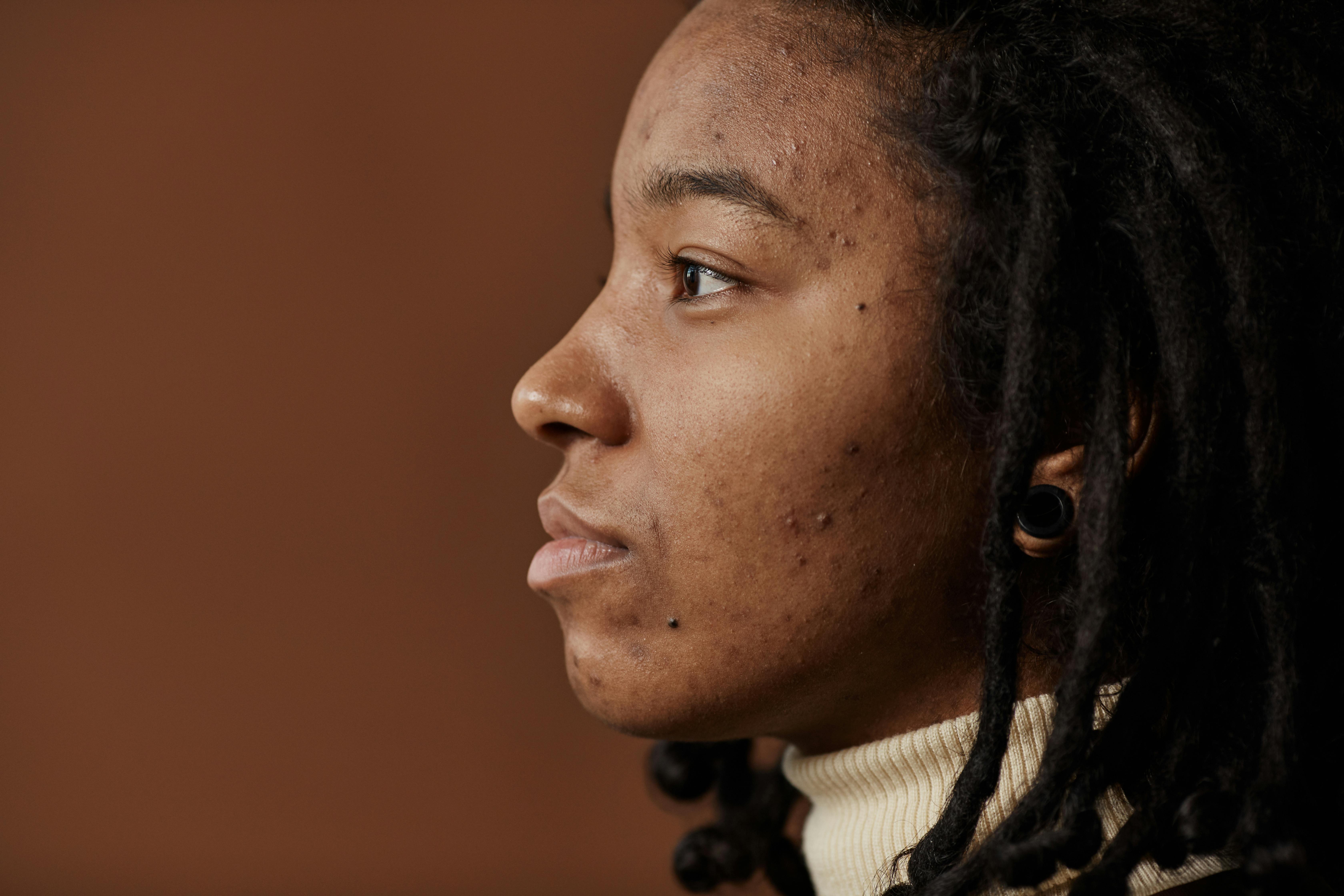
You'd think acne was supposed to end after high school, but hormonal breakouts don't care about your age. Whether you're 15, 35, or 55, hormonal fluctuations can trigger stubborn breakouts that seem impossible to control. The frustrating truth is that hormonal acne follows different rules than teenage acne, and what worked when you were younger probably won't work now.
Understanding What Makes Hormonal Acne DifferentHormonal acne isn't just random breakouts—it follows a pattern. It typically clusters around your jawline, chin, and lower cheeks rather than your forehead and nose. The pimples tend to be deep, painful cysts that lurk under the skin rather than whiteheads or blackheads on the surface. And they often flare up cyclically, worsening right before your period or during times of high stress.
The culprit is androgens—hormones like testosterone that trigger excess oil production and inflammation. Women experience this during puberty, menstruation, pregnancy, perimenopause, and menopause. Men can experience it too, though it's less common and usually tied to stress or underlying hormonal imbalances.
Understanding that hormones are driving your breakouts changes how you approach treatment. Surface-level solutions like harsh scrubs or drying spot treatments won't address the internal trigger causing the problem.
Start with Your Doctor, Not InstagramThis is the part nobody wants to hear, but it's crucial: if you're dealing with persistent hormonal acne, see a dermatologist or doctor. Hormonal acne often requires prescription intervention because you're dealing with internal hormonal imbalances that topical products simply can't fix.
Birth control pills work for many women by regulating hormones and reducing androgen activity. Spironolactone, a medication that blocks androgens, has become increasingly popular for treating hormonal acne in adult women. For severe cases, isotretinoin (Accutane) might be recommended.
These aren't casual suggestions—they're medical treatments with potential side effects that need professional supervision. But for many people struggling with hormonal acne, they're the difference between chronic breakouts and clear skin.
The Skincare That Actually HelpsWhile topical products can't cure hormonal acne, the right routine minimizes breakouts and helps manage inflammation.
Retinoids are your best friend. Prescription retinoids like tretinoin or adapalene (available over-the-counter as Differin) help prevent clogged pores and reduce inflammation. They work slowly—expect to wait three months before seeing significant improvement—but they're genuinely effective for preventing new breakouts.
Benzoyl peroxide kills acne-causing bacteria and can help with active breakouts, though it's more effective on surface-level acne than deep cystic lesions. Use it strategically on problem areas rather than your entire face to avoid unnecessary drying.
Salicylic acid helps exfoliate inside pores and can prevent blackheads and whiteheads, though it's less effective on deep hormonal cysts.
What won't help: harsh scrubs, drying alcohol-based toners, or over-washing your face. Hormonal acne isn't caused by dirt or inadequate cleansing, so aggressive scrubbing just irritates your skin without addressing the underlying cause.
The Lifestyle Factors That Matter More Than You ThinkDiet doesn't cause acne, but certain foods can trigger or worsen hormonal breakouts in susceptible people. Dairy and high-glycemic foods (white bread, sugary snacks, processed carbs) are the main culprits, potentially affecting hormone levels and inflammation.
You don't need to eliminate entire food groups, but try tracking your breakouts against what you eat. If you notice patterns—like breakouts worsening after ice cream binges or pasta-heavy weeks—you might benefit from reducing those foods.
Sleep and stress management aren't just wellness buzzwords—they directly affect hormone levels. Chronic stress elevates cortisol, which can trigger increased oil production and inflammation. Poor sleep disrupts hormone regulation across the board.
You can't eliminate stress or guarantee perfect sleep every night, but prioritizing both makes a measurable difference in hormonal acne severity.
What Works at Different Life StagesTeenage hormonal acne often responds well to topical retinoids and benzoyl peroxide because the hormone fluctuations stabilize as you move through puberty.
Twenties and thirties acne—often triggered by stress, inconsistent sleep, or starting or stopping birth control—may require prescription intervention. This is when spironolactone becomes particularly effective for women.
Perimenopausal acne (usually starting in your forties) results from declining estrogen levels, making androgens relatively more dominant. Birth control or hormone replacement therapy sometimes helps, but consult with your doctor about what's appropriate for your situation.
Post-menopausal acne is less common but can occur as hormone levels continue fluctuating. Treatment typically focuses on gentle retinoids and anti-inflammatory approaches.
The Timeline Nobody Talks AboutHormonal acne treatments work slowly. Prescription medications typically take three to six months to show significant improvement. Skincare changes require at least eight to twelve weeks before you can judge effectiveness.
This waiting period is brutal when you're dealing with painful breakouts, but jumping between treatments every few weeks guarantees nothing will work. Commit to a treatment plan for at least three months before deciding it's not working.
The Bottom LineHormonal acne at any age is frustrating because it feels like your body is working against you—which, in a sense, it is. But it's treatable with the right combination of professional medical care and consistent skincare habits.
Stop blaming yourself for breakouts that are fundamentally hormonal. Stop trying to scrub them away or dry them out with harsh products. Start working with your body's chemistry rather than against it, and be patient with treatments that address the root cause instead of just surface symptoms.
Clear skin might take longer than you want, but it's achievable at any age when you approach hormonal acne with strategies that actually match what's causing it.
[img]https://images.pexels.com/photos/6338374/pexels-photo-6338374.jpeg[/img]
You'd think acne was supposed to end after high school, but hormonal breakouts don't care about your age. Whether you're 15, 35, or 55, hormonal fluctuations can trigger stubborn breakouts that seem impossible to control. The frustrating truth is that hormonal acne follows different rules than teenage acne, and what worked when you were younger probably won't work now.
[b][size=150]Understanding What Makes Hormonal Acne Different[/size][/b]
Hormonal acne isn't just random breakouts—it follows a pattern. It typically clusters around your jawline, chin, and lower cheeks rather than your forehead and nose. The pimples tend to be deep, painful cysts that lurk under the skin rather than whiteheads or blackheads on the surface. And they often flare up cyclically, worsening right before your period or during times of high stress.
The culprit is androgens—hormones like testosterone that trigger excess oil production and inflammation. Women experience this during puberty, menstruation, pregnancy, perimenopause, and menopause. Men can experience it too, though it's less common and usually tied to stress or underlying hormonal imbalances.
Understanding that hormones are driving your breakouts changes how you approach treatment. Surface-level solutions like harsh scrubs or drying spot treatments won't address the internal trigger causing the problem.
[b][size=150]Start with Your Doctor, Not Instagram[/size][/b]
This is the part nobody wants to hear, but it's crucial: if you're dealing with persistent hormonal acne, see a dermatologist or doctor. Hormonal acne often requires prescription intervention because you're dealing with internal hormonal imbalances that topical products simply can't fix.
Birth control pills work for many women by regulating hormones and reducing androgen activity. Spironolactone, a medication that blocks androgens, has become increasingly popular for treating hormonal acne in adult women. For severe cases, isotretinoin (Accutane) might be recommended.
These aren't casual suggestions—they're medical treatments with potential side effects that need professional supervision. But for many people struggling with hormonal acne, they're the difference between chronic breakouts and clear skin.
[b][size=150]The Skincare That Actually Helps[/size][/b]
While topical products can't cure hormonal acne, the right routine minimizes breakouts and helps manage inflammation.
Retinoids are your best friend. Prescription retinoids like tretinoin or adapalene (available over-the-counter as Differin) help prevent clogged pores and reduce inflammation. They work slowly—expect to wait three months before seeing significant improvement—but they're genuinely effective for preventing new breakouts.
Benzoyl peroxide kills acne-causing bacteria and can help with active breakouts, though it's more effective on surface-level acne than deep cystic lesions. Use it strategically on problem areas rather than your entire face to avoid unnecessary drying.
Salicylic acid helps exfoliate inside pores and can prevent blackheads and whiteheads, though it's less effective on deep hormonal cysts.
What won't help: harsh scrubs, drying alcohol-based toners, or over-washing your face. Hormonal acne isn't caused by dirt or inadequate cleansing, so aggressive scrubbing just irritates your skin without addressing the underlying cause.
[b][size=150]The Lifestyle Factors That Matter More Than You Think[/size][/b]
Diet doesn't cause acne, but certain foods can trigger or worsen hormonal breakouts in susceptible people. Dairy and high-glycemic foods (white bread, sugary snacks, processed carbs) are the main culprits, potentially affecting hormone levels and inflammation.
You don't need to eliminate entire food groups, but try tracking your breakouts against what you eat. If you notice patterns—like breakouts worsening after ice cream binges or pasta-heavy weeks—you might benefit from reducing those foods.
Sleep and stress management aren't just wellness buzzwords—they directly affect hormone levels. Chronic stress elevates cortisol, which can trigger increased oil production and inflammation. Poor sleep disrupts hormone regulation across the board.
You can't eliminate stress or guarantee perfect sleep every night, but prioritizing both makes a measurable difference in hormonal acne severity.
[b][size=150]What Works at Different Life Stages[/size][/b]
Teenage hormonal acne often responds well to topical retinoids and benzoyl peroxide because the hormone fluctuations stabilize as you move through puberty.
Twenties and thirties acne—often triggered by stress, inconsistent sleep, or starting or stopping birth control—may require prescription intervention. This is when spironolactone becomes particularly effective for women.
Perimenopausal acne (usually starting in your forties) results from declining estrogen levels, making androgens relatively more dominant. Birth control or hormone replacement therapy sometimes helps, but consult with your doctor about what's appropriate for your situation.
Post-menopausal acne is less common but can occur as hormone levels continue fluctuating. Treatment typically focuses on gentle retinoids and anti-inflammatory approaches.
[b][size=150]The Timeline Nobody Talks About[/size][/b]
Hormonal acne treatments work slowly. Prescription medications typically take three to six months to show significant improvement. Skincare changes require at least eight to twelve weeks before you can judge effectiveness.
This waiting period is brutal when you're dealing with painful breakouts, but jumping between treatments every few weeks guarantees nothing will work. Commit to a treatment plan for at least three months before deciding it's not working.
[b][size=150]The Bottom Line[/size][/b]
Hormonal acne at any age is frustrating because it feels like your body is working against you—which, in a sense, it is. But it's treatable with the right combination of professional medical care and consistent skincare habits.
Stop blaming yourself for breakouts that are fundamentally hormonal. Stop trying to scrub them away or dry them out with harsh products. Start working with your body's chemistry rather than against it, and be patient with treatments that address the root cause instead of just surface symptoms.
Clear skin might take longer than you want, but it's achievable at any age when you approach hormonal acne with strategies that actually match what's causing it.