by Yusra » Today, 19:06
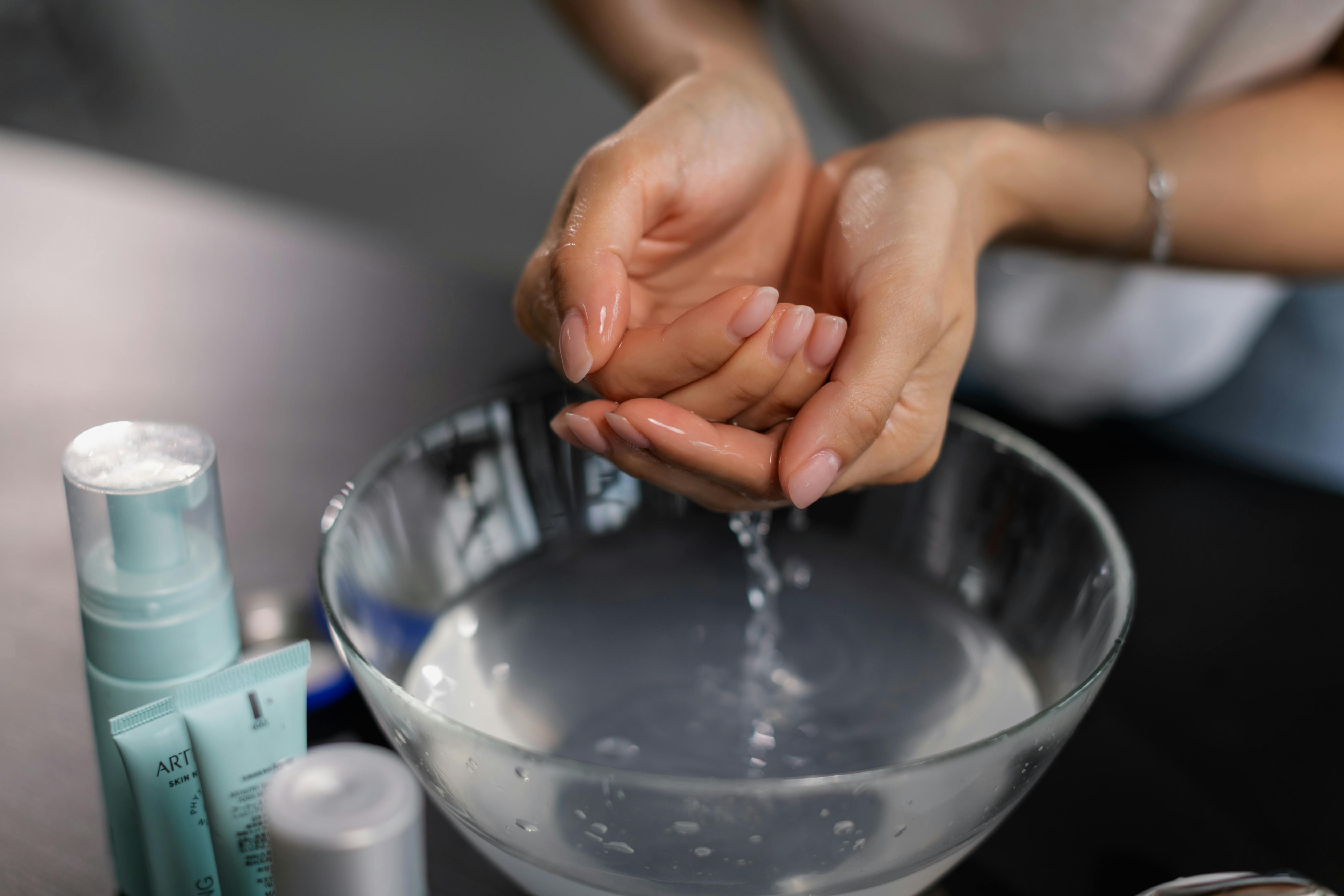
If you have spent any time in skincare circles online you have almost certainly come across the advice to wash your face with cold water. It gets repeated constantly in beauty videos, on skincare forums, in the comment sections of dermatology posts. The claim is usually something along the lines of cold water tightens your pores, reduces puffiness, and gives you a glowing complexion. It sounds logical enough and cold water is free so why not give it a try?
But before you commit to a cold water face washing routine every morning it is worth asking a more important question is any of this actually true or is it just one of those skincare myths that has been repeated so many times it started to feel like fact?
What Cold Water Actually Does to Your SkinLet's start with the most common claim that cold water closes or tightens your pores. This one is so widely repeated that most people accept it without question. The problem is that it is not entirely accurate. Pores do not open and close like tiny doors in response to temperature. They are not muscles and they do not have the ability to contract or expand based on whether you splash hot or cold water on your face. Pore size is largely determined by genetics, skin type, and how congested your pores are not by water temperature.
What cold water does do is cause a temporary vasoconstriction a narrowing of the blood vessels near the surface of the skin. This creates a temporary tightening sensation and can make pores appear slightly smaller in the moment. The key word there is temporary. As soon as your skin returns to its normal temperature the effect disappears entirely. So while cold water might make your face feel tighter immediately after washing that feeling does not translate into any lasting change in pore size.
Where Cold Water Actually HelpsThat said cold water is not entirely without genuine benefits for the skin. The temporary reduction in blood vessel dilation that comes from cold water exposure can visibly reduce puffiness and redness in the short term which is why splashing cold water on your face in the morning can make you look more awake and refreshed even if the effect does not last all day.
Cold water is also gentler on the skin's natural moisture barrier than hot water. Hot water strips the skin of its natural oils far more aggressively, leaving skin feeling tight, dry, and potentially more prone to irritation. If you have dry or sensitive skin in particular, washing with very hot water can noticeably worsen dryness and redness over time. In that sense cold or lukewarm water is genuinely the better choice not because it does anything magical but because it does less damage.
For people dealing with redness, rosacea, or easily flushed skin, cold water can also help calm visible redness temporarily by constricting the blood vessels that cause that flushed appearance. It is not a treatment by any means but as a daily habit it is less likely to aggravate heat-sensitive skin conditions than warm or hot water would be.
The Case for Lukewarm WaterHere is what most dermatologists actually recommend and it is perhaps the least exciting answer lukewarm water. Not cold, not hot, just comfortably warm. The reasoning is straightforward. Lukewarm water is effective enough at loosening dirt, oil, and makeup residue from the skin without being aggressive enough to strip the natural oils that keep your skin barrier healthy and balanced. It does not cause the temporary redness and irritation that very hot water can trigger and it does not create the shock to the system that icy cold water does which can actually cause broken capillaries over time if you are consistently splashing very cold water directly on your face.
Does Water Temperature Actually Matter That Much?In the grand scheme of your skincare routine the temperature of the water you use to wash your face is genuinely one of the less important variables. What matters significantly more is the cleanser you are using, how gently you are handling your skin during washing, whether you are following up with appropriate moisturizer, and whether you are wearing sunscreen every day. These factors have a far greater impact on the long term health and appearance of your skin than whether you rinse with cold or lukewarm water.
What About the Cold Water Glow?Many people swear that washing with cold water gives them a visible glow and they are not entirely wrong. they are just misidentifying the cause. The refreshed appearance that follows a cold water rinse comes primarily from the temporary reduction in puffiness and the stimulating effect of the cold on circulation. It is a pleasant sensation and a useful morning wake-up tool but it is not a skincare treatment. The glow fades as quickly as the cold does.
The Bottom LineCold water washing is not a myth exactly it does have some real if temporary effects on the skin including reducing puffiness and being less stripping than hot water. But it is also not the skincare secret some people make it out to be. Pores do not close, the tightening effect does not last, and very cold water over time can actually stress delicate facial skin rather than helping it.
The most honest advice is to use lukewarm water for cleansing, keep the temperature consistent, and invest your energy into the parts of your skincare routine that actually make a lasting difference. Your cleanser, your moisturizer, and your sunscreen are doing far more for your skin than the temperature of the water you rinse them off with.
[img]https://images.pexels.com/photos/8989972/pexels-photo-8989972.jpeg[/img]
If you have spent any time in skincare circles online you have almost certainly come across the advice to wash your face with cold water. It gets repeated constantly in beauty videos, on skincare forums, in the comment sections of dermatology posts. The claim is usually something along the lines of cold water tightens your pores, reduces puffiness, and gives you a glowing complexion. It sounds logical enough and cold water is free so why not give it a try?
But before you commit to a cold water face washing routine every morning it is worth asking a more important question is any of this actually true or is it just one of those skincare myths that has been repeated so many times it started to feel like fact?
[b][size=150]What Cold Water Actually Does to Your Skin[/size][/b]
Let's start with the most common claim that cold water closes or tightens your pores. This one is so widely repeated that most people accept it without question. The problem is that it is not entirely accurate. Pores do not open and close like tiny doors in response to temperature. They are not muscles and they do not have the ability to contract or expand based on whether you splash hot or cold water on your face. Pore size is largely determined by genetics, skin type, and how congested your pores are not by water temperature.
What cold water does do is cause a temporary vasoconstriction a narrowing of the blood vessels near the surface of the skin. This creates a temporary tightening sensation and can make pores appear slightly smaller in the moment. The key word there is temporary. As soon as your skin returns to its normal temperature the effect disappears entirely. So while cold water might make your face feel tighter immediately after washing that feeling does not translate into any lasting change in pore size.
[b][size=150]Where Cold Water Actually Helps[/size][/b]
That said cold water is not entirely without genuine benefits for the skin. The temporary reduction in blood vessel dilation that comes from cold water exposure can visibly reduce puffiness and redness in the short term which is why splashing cold water on your face in the morning can make you look more awake and refreshed even if the effect does not last all day.
Cold water is also gentler on the skin's natural moisture barrier than hot water. Hot water strips the skin of its natural oils far more aggressively, leaving skin feeling tight, dry, and potentially more prone to irritation. If you have dry or sensitive skin in particular, washing with very hot water can noticeably worsen dryness and redness over time. In that sense cold or lukewarm water is genuinely the better choice not because it does anything magical but because it does less damage.
For people dealing with redness, rosacea, or easily flushed skin, cold water can also help calm visible redness temporarily by constricting the blood vessels that cause that flushed appearance. It is not a treatment by any means but as a daily habit it is less likely to aggravate heat-sensitive skin conditions than warm or hot water would be.
[b][size=150]The Case for Lukewarm Water[/size][/b]
Here is what most dermatologists actually recommend and it is perhaps the least exciting answer lukewarm water. Not cold, not hot, just comfortably warm. The reasoning is straightforward. Lukewarm water is effective enough at loosening dirt, oil, and makeup residue from the skin without being aggressive enough to strip the natural oils that keep your skin barrier healthy and balanced. It does not cause the temporary redness and irritation that very hot water can trigger and it does not create the shock to the system that icy cold water does which can actually cause broken capillaries over time if you are consistently splashing very cold water directly on your face.
[b][size=150]Does Water Temperature Actually Matter That Much?[/size][/b]
In the grand scheme of your skincare routine the temperature of the water you use to wash your face is genuinely one of the less important variables. What matters significantly more is the cleanser you are using, how gently you are handling your skin during washing, whether you are following up with appropriate moisturizer, and whether you are wearing sunscreen every day. These factors have a far greater impact on the long term health and appearance of your skin than whether you rinse with cold or lukewarm water.
[b][size=150]What About the Cold Water Glow?[/size][/b]
Many people swear that washing with cold water gives them a visible glow and they are not entirely wrong. they are just misidentifying the cause. The refreshed appearance that follows a cold water rinse comes primarily from the temporary reduction in puffiness and the stimulating effect of the cold on circulation. It is a pleasant sensation and a useful morning wake-up tool but it is not a skincare treatment. The glow fades as quickly as the cold does.
[b][size=150]The Bottom Line[/size][/b]
Cold water washing is not a myth exactly it does have some real if temporary effects on the skin including reducing puffiness and being less stripping than hot water. But it is also not the skincare secret some people make it out to be. Pores do not close, the tightening effect does not last, and very cold water over time can actually stress delicate facial skin rather than helping it.
The most honest advice is to use lukewarm water for cleansing, keep the temperature consistent, and invest your energy into the parts of your skincare routine that actually make a lasting difference. Your cleanser, your moisturizer, and your sunscreen are doing far more for your skin than the temperature of the water you rinse them off with.