by Yusra » 17 Feb 2026, 18:37
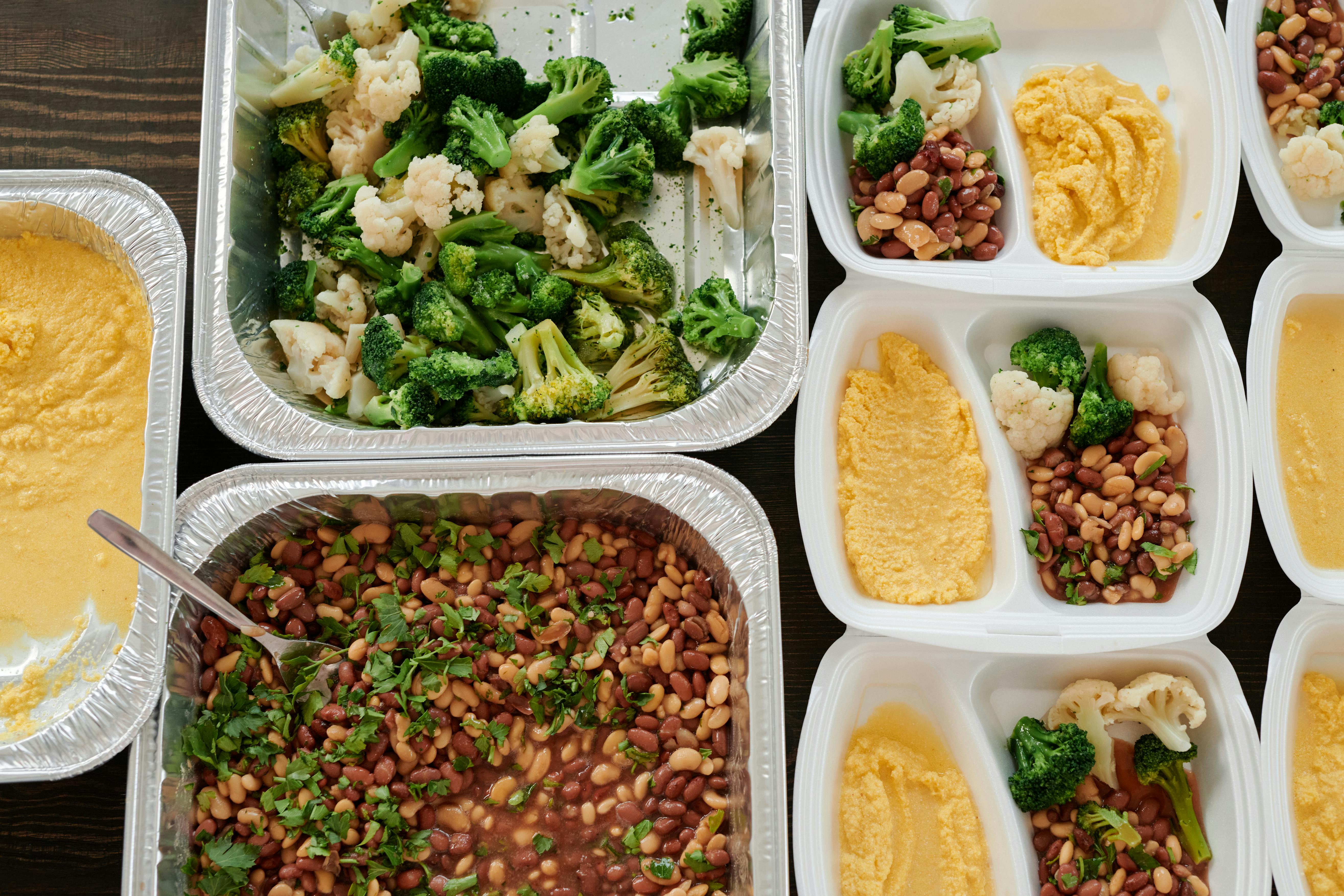
Sunday afternoon. Most people are watching TV, scrolling through their phones, or dreading the week ahead. But a growing number of people are doing something quietly powerful in their kitchens chopping vegetables, cooking grains, portioning out meals and setting themselves up for a week where everything feels just a little more manageable.
Meal prepping is not a new concept, but its benefits are still underestimated by a lot of people. It's often dismissed as something only fitness influencers or obsessive planners do. The truth is, spending two to three hours preparing food once or twice a week can fundamentally change the way you eat, the way you feel, and the way your bank account looks at the end of the month.
The Money Side of ThingsLet's start with something everyone understands. The average person spending $10 to $15 per lunch on takeout doesn't always think of it as a big deal. But that adds up to $200 or more a month, just on midday meals. Multiply that across a year, and you're looking at a $2,400 habit. one that probably doesn't even feel that satisfying most of the time.
When you meal prep, you buy ingredients in bulk and use them efficiently. A bag of chicken thighs, a bag of rice, a few heads of broccoli, and some olive oil can produce five solid lunches for under $15 total. That's a $3 lunch versus a $12 lunch. The math is almost embarrassingly in your favor.
Beyond the direct savings, meal prepping reduces food waste significantly. Most people who don't plan their meals ahead of time end up throwing away wilted produce, forgotten leftovers, and half-used ingredients that sat too long in the fridge. The USDA estimates that the average American family wastes close to $1,500 worth of food every year. Meal prep forces you to use what you buy, because you bought it with a specific plan in mind.
What It Does for Your HealthThe financial case is strong, but the health argument might be even more compelling. When you're hungry and tired at 7 PM on a Wednesday, the last thing you want to do is cook. That's when you reach for fast food, order delivery, or throw together something quick that's low on nutrients and high on sodium, sugar, or saturated fat. It's not a failure of willpower. It's just how humans work when they're depleted.
Meal prep removes that decision from the equation. The food is already made. You just heat it up and eat it. And because you made it yourself, you know exactly what went into it real ingredients, reasonable portions, no mystery additives.
Studies consistently show that people who cook at home more frequently have better diet quality overall. They consume fewer calories, less sodium, less added sugar, and more fiber and micronutrients. Over time, those differences compound into real health outcomes: lower rates of obesity, better blood sugar regulation, reduced cardiovascular risk, and more stable energy throughout the day.
There's also a mental health dimension that doesn't get talked about enough. Decision fatigue is real. When your meals are already planned and prepared, you remove a source of daily stress. You wake up knowing what you're going to eat. You don't stand in front of an open refrigerator at noon wondering what to cobble together. That mental clarity even in something as seemingly small as food genuinely adds up across a week.
Getting Started Without Feeling OverwhelmedThe biggest barrier most people face is thinking they have to go all in immediately. They don't. Start small. Pick two or three meals you enjoy eating regularly, and prep just those. Make a batch of a grain like quinoa or brown rice. Roast a sheet pan of vegetables. Cook a protein that works in multiple meals. That's it. You don't need color-coded containers or a perfect plan. You just need a bit of food ready to go.
As the habit builds, it becomes second nature. You'll naturally start getting more efficient, spending less at the grocery store, and noticing that you feel better and have more energy throughout the week.
Meal prep isn't about being perfect. It's about giving yourself an advantage over your budget, over your health, and over the version of yourself that's too tired to make a good decision at the end of a long day.
That's a trade worth making.
[img]https://images.pexels.com/photos/6995259/pexels-photo-6995259.jpeg[/img]
Sunday afternoon. Most people are watching TV, scrolling through their phones, or dreading the week ahead. But a growing number of people are doing something quietly powerful in their kitchens chopping vegetables, cooking grains, portioning out meals and setting themselves up for a week where everything feels just a little more manageable.
Meal prepping is not a new concept, but its benefits are still underestimated by a lot of people. It's often dismissed as something only fitness influencers or obsessive planners do. The truth is, spending two to three hours preparing food once or twice a week can fundamentally change the way you eat, the way you feel, and the way your bank account looks at the end of the month.
[b][size=150]The Money Side of Things[/size][/b]
Let's start with something everyone understands. The average person spending $10 to $15 per lunch on takeout doesn't always think of it as a big deal. But that adds up to $200 or more a month, just on midday meals. Multiply that across a year, and you're looking at a $2,400 habit. one that probably doesn't even feel that satisfying most of the time.
When you meal prep, you buy ingredients in bulk and use them efficiently. A bag of chicken thighs, a bag of rice, a few heads of broccoli, and some olive oil can produce five solid lunches for under $15 total. That's a $3 lunch versus a $12 lunch. The math is almost embarrassingly in your favor.
Beyond the direct savings, meal prepping reduces food waste significantly. Most people who don't plan their meals ahead of time end up throwing away wilted produce, forgotten leftovers, and half-used ingredients that sat too long in the fridge. The USDA estimates that the average American family wastes close to $1,500 worth of food every year. Meal prep forces you to use what you buy, because you bought it with a specific plan in mind.
[b][size=150]What It Does for Your Health[/size][/b]
The financial case is strong, but the health argument might be even more compelling. When you're hungry and tired at 7 PM on a Wednesday, the last thing you want to do is cook. That's when you reach for fast food, order delivery, or throw together something quick that's low on nutrients and high on sodium, sugar, or saturated fat. It's not a failure of willpower. It's just how humans work when they're depleted.
Meal prep removes that decision from the equation. The food is already made. You just heat it up and eat it. And because you made it yourself, you know exactly what went into it real ingredients, reasonable portions, no mystery additives.
Studies consistently show that people who cook at home more frequently have better diet quality overall. They consume fewer calories, less sodium, less added sugar, and more fiber and micronutrients. Over time, those differences compound into real health outcomes: lower rates of obesity, better blood sugar regulation, reduced cardiovascular risk, and more stable energy throughout the day.
There's also a mental health dimension that doesn't get talked about enough. Decision fatigue is real. When your meals are already planned and prepared, you remove a source of daily stress. You wake up knowing what you're going to eat. You don't stand in front of an open refrigerator at noon wondering what to cobble together. That mental clarity even in something as seemingly small as food genuinely adds up across a week.
[b][size=150]Getting Started Without Feeling Overwhelmed[/size][/b]
The biggest barrier most people face is thinking they have to go all in immediately. They don't. Start small. Pick two or three meals you enjoy eating regularly, and prep just those. Make a batch of a grain like quinoa or brown rice. Roast a sheet pan of vegetables. Cook a protein that works in multiple meals. That's it. You don't need color-coded containers or a perfect plan. You just need a bit of food ready to go.
As the habit builds, it becomes second nature. You'll naturally start getting more efficient, spending less at the grocery store, and noticing that you feel better and have more energy throughout the week.
Meal prep isn't about being perfect. It's about giving yourself an advantage over your budget, over your health, and over the version of yourself that's too tired to make a good decision at the end of a long day.
That's a trade worth making.