





 by Yusra » 16 Apr 2025, 15:09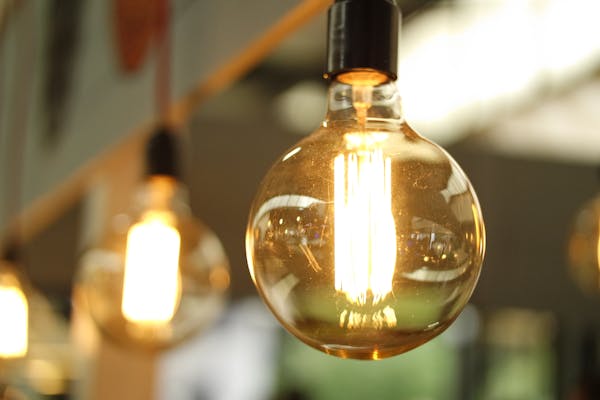
With energy bills going up and everyone talking about helping the planet, saving energy at home makes a lot of sense. Small changes can save you money and help the environment too. Here are ten simple ways to use less energy at home.
1. Switch to LED Light Bulbs
One of the easiest things you can do is change your old light bulbs to LED ones. LEDs use 75% less energy and last much longer than old-style bulbs. Yes, they cost more to buy at first, but they'll save you money over time. Start by changing the lights you use most often.
2. Set Up Your Thermostat Better
Your heating and cooling uses about half the energy in your home. Try getting a smart thermostat that changes the temperature automatically when you're sleeping or not home. Just turning your thermostat down 7-10 degrees for 8 hours a day (like when you're at work) can cut your heating and cooling costs by 10%.
3. Fix Drafty Windows and Doors
Leaky windows and doors let warm air escape in winter and cool air escape in summer. Check around your house for drafts and seal them up with weatherstripping or caulk. Focus on spots where different materials meet, like where brick meets wood. Here's a simple test: hold a lit incense stick near windows and doors - if the smoke blows sideways, you've found a leak.
4. Take Care of Your Heating and Cooling System
Just like your car needs tune-ups, so does your heating and cooling system. Change the air filters monthly when you're using it a lot, and get a professional check-up once a year. A well-maintained system uses less energy and lasts longer.
5. Unplug Stuff When Not Using It
Did you know many gadgets use power even when turned off? This is called "vampire power" and can add up to 10% of your electric bill. Use power strips so you can completely turn off things like TVs, computers, and game consoles with one switch.
6. Buy Energy-Saving Appliances
When it's time for new appliances, look for ones with the ENERGY STAR label. These use much less energy than regular models - sometimes up to 50% less. This is especially important for big energy users like refrigerators, washing machines, and dishwashers.
7. Adjust Your Water Heater
Water heating takes up about 18% of your home's energy use. Turn your water heater down to 120°F instead of the usual 140°F. You'll still get plenty of hot water but use less energy. Also, wrapping your water heater and the first six feet of pipes with insulation can cut water heating costs by 7-16%.
8. Use Sunlight Wisely
Let nature help you save energy. In winter, open curtains on south-facing windows during the day to warm your home naturally, then close them at night to keep heat in. In summer, do the opposite - keep curtains closed during the day to block heat. This costs nothing but can really reduce your heating and cooling needs.
9. Use Ceiling Fans the Right Way
Ceiling fans can make you feel cooler in summer and warmer in winter without changing the actual temperature much. In summer, set fans to spin counterclockwise to create a cool breeze. In winter, run them clockwise at low speed to push warm air down from the ceiling without making you feel chilly.
10. Wash Clothes Smarter
About 90% of the energy your washing machine uses goes to heating water. Washing clothes in cold water saves energy and makes clothes last longer too. When possible, hang clothes to dry instead of using the dryer. If you do use a dryer, clean the lint trap before each load so air can flow better.
By trying these ten simple things, you can have a more comfortable home, lower bills, and help the environment too. Remember, saving energy isn't just about buying new stuff it's also about small daily habits that add up to big savings over time.


