 by Yusra » 08 Mar 2026, 20:49
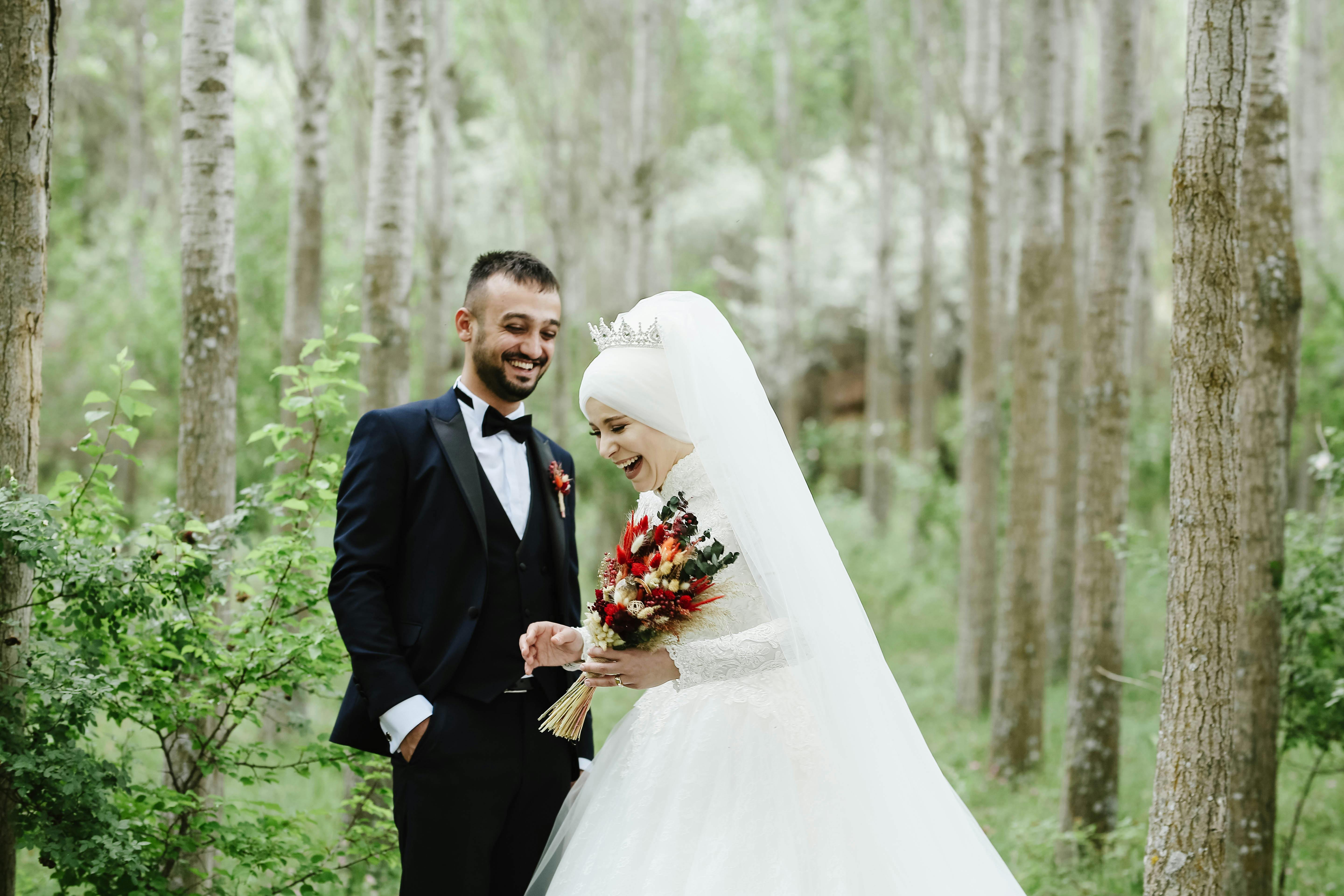
When my cousin got engaged, everyone told us to expect to spend $30,000+ on wedding. The "average wedding cost" articles were terrifying. We had maybe $10,000 saved and refused to go into debt for one day.
We ended up having a beautiful wedding for $8,500 that guests still talk about years later. Here's how we saved money without the wedding feeling cheap or compromised.
The Venue Makes or Breaks Your BudgetTraditional wedding venues charge $3,000-8,000 just for the space, often with required expensive catering. We skipped those entirely.
My Cousin got married in a public park pavilion that cost $150 to reserve. It was beautiful, required minimal decoration because nature provided the backdrop, and had no vendor restrictions. Our ceremony and reception were in the same location, eliminating transportation costs.
Other affordable venue options: community centers, university spaces, restaurants during off-hours, family property, Anywhere that's not explicitly a "wedding venue" will be dramatically cheaper.
This single decision saved us probably $5,000 compared to traditional venues.
Friday or Sunday Weddings Cost LessSaturday wedding vendors charge premium rates because demand is high. She got married on a Sunday afternoon and every vendor gave us discounts - photographer 20% off, DJ 30% off, caterer 25% off.
Friday evening weddings also get discounts. Some guests might have work conflicts, but the savings are substantial if you're flexible on timing.
Off-Season Savings Are RealShe got married in March instead of peak wedding season (May-October). Vendors had availability and offered better rates because business was slower.
Winter and early spring weddings can save 20-40% on vendors. Yes, weather is less predictable, but indoor or covered venues solve that, and the cost savings are significant.
Catering: The Biggest Variable CostTraditional wedding catering costs $80-150 per person. For 100 guests, that's $8,000-15,000 just for food.
We hired a local barbecue restaurant to cater buffet-style for $25 per person including sides and cold drinks. Total food cost: $2,500 for 100 people. The food was delicious, plentiful, and way more affordable than traditional catering.
Other budget catering options: food trucks, ethnic restaurants (Pakistani, Arabic, Mexican, often cater affordably), family-style meals, brunch or lunch instead of dinner, dessert-only receptions.
The "wedding tax" is real - once vendors hear "wedding," prices increase. Sometimes calling it a "family celebration" or "anniversary party" gets better quotes.
DIY What Makes SenseI'm not crafty, so I didn't DIY decorations or centerpieces. But we did handle some things ourselves that saved money.
We made our own playlist instead of hiring a DJ for $1,500. Used a good speaker system and had a friend MC announcements. Worked perfectly and cost nothing.
We designed and printed our own invitations for $100 instead of $500+ from professional printers. Online templates and local print shops made this easy.
We bought flowers wholesale from a flower market and arranged simple centerpieces ourselves. Cost $200 versus $1,000+ from florists.
DIY selectively based on your skills and time. Don't attempt things you'll hate doing or that will cause stress.
The Dress Doesn't Need to Cost ThousandsShe bought wedding dress on sale at a department store for $400. It was beautiful, fit perfectly with minor alterations ($80), and looked exactly like dresses that cost $2,000+.
Photography: Negotiate and PrioritizeProfessional photography was important to us, so we allocated budget there. But we negotiated.
Instead of $3,000 for 8 hours of coverage, we hired our photographer for 4 hours covering ceremony and portraits for $1,200. We skipped getting-ready photos and late-night reception shots.
We also hired a talented amateur photographer (friend of a friend) as a second shooter for $200 to capture candid reception moments.
The photos are beautiful, but we paid 60% less by reducing hours and finding creative solutions.
Guest List: Smaller Is CheaperEvery guest costs money - food, Cold drinks, favors, rentals. We invited 100 people instead of the 200 our families wanted.
This was the hardest decision but also the most impactful financially. Cutting 100 guests saved us roughly $5,000 in catering, rentals, and other per-person costs.
Smaller weddings also feel more intimate. We actually got to talk with everyone instead of rushing through greeting 200 people.
Skip Unnecessary TraditionsWedding favors? Most get left behind or thrown away. We skipped them entirely - saved $200-300 and nobody cared.
Elaborate programs, menus at each place setting, expensive table linens, chair covers - all unnecessary decorative elements that add cost without adding value.
We focused budget on things that mattered (good food, photography, music) and eliminated traditional elements that guests wouldn't remember anyway.
The Bottom LineWedding industry pricing is inflated and most "necessary" expenses aren't actually necessary. Beautiful, memorable weddings can cost $5,000-10,000 instead of $30,000+ if you're willing to question traditions and get creative.
Focus budget on what matters most to you, eliminate or minimize everything else, and remember the marriage matters more than the wedding.
[img]https://images.pexels.com/photos/8632618/pexels-photo-8632618.jpeg[/img]
When my cousin got engaged, everyone told us to expect to spend $30,000+ on wedding. The "average wedding cost" articles were terrifying. We had maybe $10,000 saved and refused to go into debt for one day.
We ended up having a beautiful wedding for $8,500 that guests still talk about years later. Here's how we saved money without the wedding feeling cheap or compromised.
[size=150]The Venue Makes or Breaks Your Budget[/size]
Traditional wedding venues charge $3,000-8,000 just for the space, often with required expensive catering. We skipped those entirely.
My Cousin got married in a public park pavilion that cost $150 to reserve. It was beautiful, required minimal decoration because nature provided the backdrop, and had no vendor restrictions. Our ceremony and reception were in the same location, eliminating transportation costs.
Other affordable venue options: community centers, university spaces, restaurants during off-hours, family property, Anywhere that's not explicitly a "wedding venue" will be dramatically cheaper.
This single decision saved us probably $5,000 compared to traditional venues.
[b][size=150]Friday or Sunday Weddings Cost Less[/size][/b]
Saturday wedding vendors charge premium rates because demand is high. She got married on a Sunday afternoon and every vendor gave us discounts - photographer 20% off, DJ 30% off, caterer 25% off.
Friday evening weddings also get discounts. Some guests might have work conflicts, but the savings are substantial if you're flexible on timing.
[b][size=150]Off-Season Savings Are Real[/size][/b]
She got married in March instead of peak wedding season (May-October). Vendors had availability and offered better rates because business was slower.
Winter and early spring weddings can save 20-40% on vendors. Yes, weather is less predictable, but indoor or covered venues solve that, and the cost savings are significant.
[b][size=150]Catering: The Biggest Variable Cost[/size][/b]
Traditional wedding catering costs $80-150 per person. For 100 guests, that's $8,000-15,000 just for food.
We hired a local barbecue restaurant to cater buffet-style for $25 per person including sides and cold drinks. Total food cost: $2,500 for 100 people. The food was delicious, plentiful, and way more affordable than traditional catering.
Other budget catering options: food trucks, ethnic restaurants (Pakistani, Arabic, Mexican, often cater affordably), family-style meals, brunch or lunch instead of dinner, dessert-only receptions.
The "wedding tax" is real - once vendors hear "wedding," prices increase. Sometimes calling it a "family celebration" or "anniversary party" gets better quotes.
[b][size=150]DIY What Makes Sense[/size][/b]
I'm not crafty, so I didn't DIY decorations or centerpieces. But we did handle some things ourselves that saved money.
We made our own playlist instead of hiring a DJ for $1,500. Used a good speaker system and had a friend MC announcements. Worked perfectly and cost nothing.
We designed and printed our own invitations for $100 instead of $500+ from professional printers. Online templates and local print shops made this easy.
We bought flowers wholesale from a flower market and arranged simple centerpieces ourselves. Cost $200 versus $1,000+ from florists.
DIY selectively based on your skills and time. Don't attempt things you'll hate doing or that will cause stress.
[b][size=150]The Dress Doesn't Need to Cost Thousands[/size][/b]
She bought wedding dress on sale at a department store for $400. It was beautiful, fit perfectly with minor alterations ($80), and looked exactly like dresses that cost $2,000+.
[b][size=150]Photography: Negotiate and Prioritize[/size][/b]
Professional photography was important to us, so we allocated budget there. But we negotiated.
Instead of $3,000 for 8 hours of coverage, we hired our photographer for 4 hours covering ceremony and portraits for $1,200. We skipped getting-ready photos and late-night reception shots.
We also hired a talented amateur photographer (friend of a friend) as a second shooter for $200 to capture candid reception moments.
The photos are beautiful, but we paid 60% less by reducing hours and finding creative solutions.
[b][size=150]Guest List: Smaller Is Cheaper[/size][/b]
Every guest costs money - food, Cold drinks, favors, rentals. We invited 100 people instead of the 200 our families wanted.
This was the hardest decision but also the most impactful financially. Cutting 100 guests saved us roughly $5,000 in catering, rentals, and other per-person costs.
Smaller weddings also feel more intimate. We actually got to talk with everyone instead of rushing through greeting 200 people.
[b][size=150]Skip Unnecessary Traditions[/size][/b]
Wedding favors? Most get left behind or thrown away. We skipped them entirely - saved $200-300 and nobody cared.
Elaborate programs, menus at each place setting, expensive table linens, chair covers - all unnecessary decorative elements that add cost without adding value.
We focused budget on things that mattered (good food, photography, music) and eliminated traditional elements that guests wouldn't remember anyway.
[b][size=150]The Bottom Line[/size][/b]
Wedding industry pricing is inflated and most "necessary" expenses aren't actually necessary. Beautiful, memorable weddings can cost $5,000-10,000 instead of $30,000+ if you're willing to question traditions and get creative.
Focus budget on what matters most to you, eliminate or minimize everything else, and remember the marriage matters more than the wedding.




 I mean have you actually seen anyone do that? Because It feels strange to imagine watching a wedding on a screen instead of being there in person. Though I guess it could work for people who genuinely can't travel.
