by Yusra » 18 Apr 2026, 17:33
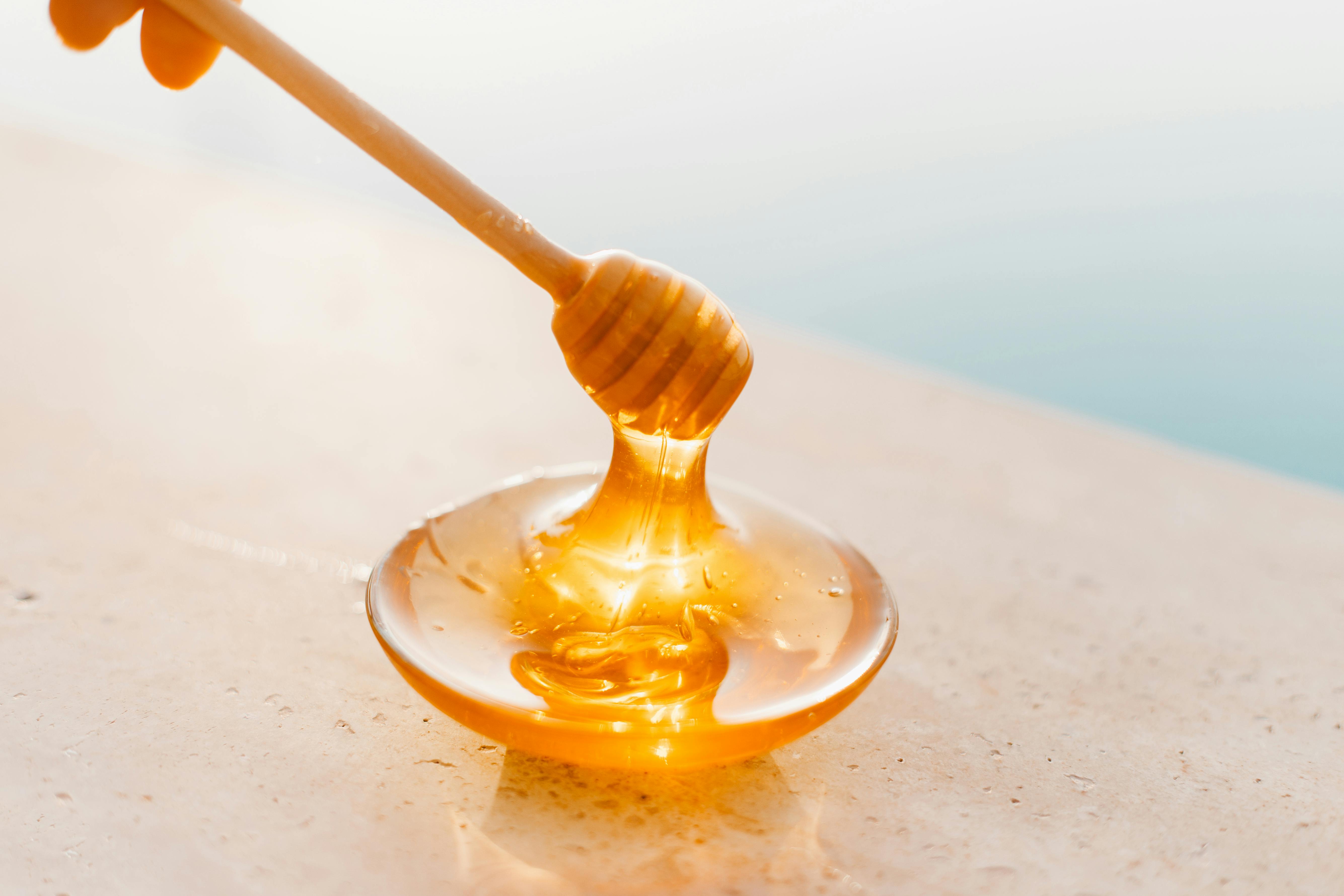
Honey has been used for thousands of years not just as a sweetener in food but as a healing remedy for wounds, infections, and skin conditions. Ancient Egyptians used it in medicinal preparations. Greek physicians wrote about its healing properties. And today, modern science is catching up to what traditional medicine figured out a long time ago: honey is genuinely remarkable stuff, especially when it comes to your skin.
But before you run to the kitchen and start smearing the contents of your honey jar all over your face, it's worth understanding what honey actually does, which types work best for skin, and how to use it properly to get real results.
Why Honey Works on SkinHoney isn't just sweet and sticky. Its benefits for skin come from a very specific combination of properties that very few other natural ingredients can match.
First, honey is naturally antibacterial. It contains hydrogen peroxide, low pH levels, and a compound called defensin-1 that together create an environment where bacteria genuinely struggle to survive. This makes it particularly valuable for acne-prone skin where bacteria play a central role in causing breakouts.
Second, honey is hygroscopic — meaning it draws moisture from the air and holds it against the skin. This makes it an exceptional natural humectant, pulling hydration into the skin and keeping it there. For dry or dehydrated skin, this property alone makes honey worth paying attention to.
Third, honey is rich in antioxidants, including flavonoids and phenolic compounds, that protect skin cells from damage caused by free radicals and environmental stressors like pollution and UV exposure. Over time, this kind of protection supports more youthful-looking skin.
What Honey Can Do for Your SkinIt Deeply MoisturizesOne of the most immediate and noticeable effects of applying honey to the skin is hydration. Because of its humectant properties, honey draws moisture into the skin and creates a soft, supple feeling that lasts. It works well for all skin types but is particularly beneficial for dry, flaky, or tight-feeling skin. Even a simple honey mask left on for fifteen to twenty minutes can leave the skin feeling noticeably softer and more plump.
It Fights Acne and BreakoutsThanks to its antibacterial and anti-inflammatory properties, honey can be genuinely helpful for acne-prone skin. It kills the bacteria responsible for breakouts while simultaneously calming the redness and swelling that come with inflamed pimples. Applying a small amount of raw honey directly to a pimple as a spot treatment and leaving it on for a few hours or overnight can reduce the size and redness of a breakout faster than doing nothing at all.
It Soothes Irritated and Sensitive SkinIf your skin tends toward redness, irritation, or sensitivity, honey's anti-inflammatory properties can provide real relief. It calms reactive skin, reduces visible redness, and helps repair a compromised skin barrier. People dealing with conditions like eczema or rosacea often find that honey-based products or raw honey masks help soothe flare-ups and reduce discomfort.
It Helps Fade Scars and Dark SpotsHoney has mild exfoliating properties and contains enzymes that gently encourage cell turnover. Over time and with consistent use, this can help fade post-acne marks, dark spots, and uneven skin tone. The results are gradual rather than dramatic but for people who prefer a gentler, more natural approach to brightening their complexion, honey is a solid option.
It Slows Down AgingThe antioxidants in honey help neutralize free radical damage. one of the primary drivers of premature aging. Regular use of honey on the skin can help maintain elasticity, reduce the appearance of fine lines over time, and give the skin a healthy, radiant glow. It also supports collagen production, which is essential for keeping skin firm and youthful.
It Cleanses Without StrippingHoney makes an excellent gentle cleanser for people whose skin doesn't respond well to traditional foaming or gel cleansers. It removes dirt and impurities from the skin without disrupting the natural moisture barrier, leaving the skin clean but never tight or dry. Simply massage a small amount onto damp skin and rinse off with warm water.
Which Type of Honey Is Best for Skin?Not all honey is created equal. The honey sitting in a plastic bear-shaped bottle at the grocery store is highly processed and has lost most of its beneficial properties. For skin use, you want raw honey unprocessed and unheated, which preserves all of its natural enzymes, antioxidants, and antibacterial compounds.
Manuka honey, which comes from New Zealand and is produced by bees that pollinate the manuka bush, is widely considered the gold standard for skincare. It has significantly higher antibacterial potency than regular honey, making it particularly effective for acne, wound healing, and sensitive skin conditions. It is more expensive but for targeted skin concerns, the extra cost is worth it.
How to Use Honey on Your SkinThe simplest way is to apply raw honey directly to clean skin as a face mask. Leave it on for fifteen to twenty minutes and rinse off with warm water. For a deeper treatment, mix honey with a small amount of ground oats for a gentle exfoliating mask, or combine it with a few drops of lemon juice for a brightening treatment.
For spot treatment on pimples, apply a tiny amount of raw or manuka honey directly to the blemish, cover with a small bandage or piece of tape overnight, and rinse in the morning.
One Thing to Keep in MindIf you have a known allergy to pollen, bee stings, or other bee products, do a patch test before applying honey to your face. Apply a small amount to the inside of your wrist and wait twenty-four hours to make sure there's no reaction before using it more broadly.
The Bottom LineHoney is one of those rare natural ingredients where the hype is actually backed by substance. It moisturizes, fights bacteria, soothes inflammation, fades discoloration, and protects against aging — all in one ingredient that has been trusted for thousands of years. Used correctly and consistently, it can be a genuinely valuable addition to your skincare routine without costing a fortune or requiring a complicated process.
Sometimes the simplest things really do work the best.
[img]https://images.pexels.com/photos/6422025/pexels-photo-6422025.jpeg[/img]
Honey has been used for thousands of years not just as a sweetener in food but as a healing remedy for wounds, infections, and skin conditions. Ancient Egyptians used it in medicinal preparations. Greek physicians wrote about its healing properties. And today, modern science is catching up to what traditional medicine figured out a long time ago: honey is genuinely remarkable stuff, especially when it comes to your skin.
But before you run to the kitchen and start smearing the contents of your honey jar all over your face, it's worth understanding what honey actually does, which types work best for skin, and how to use it properly to get real results.
[b][size=150]Why Honey Works on Skin[/size][/b]
Honey isn't just sweet and sticky. Its benefits for skin come from a very specific combination of properties that very few other natural ingredients can match.
First, honey is naturally antibacterial. It contains hydrogen peroxide, low pH levels, and a compound called defensin-1 that together create an environment where bacteria genuinely struggle to survive. This makes it particularly valuable for acne-prone skin where bacteria play a central role in causing breakouts.
Second, honey is hygroscopic — meaning it draws moisture from the air and holds it against the skin. This makes it an exceptional natural humectant, pulling hydration into the skin and keeping it there. For dry or dehydrated skin, this property alone makes honey worth paying attention to.
Third, honey is rich in antioxidants, including flavonoids and phenolic compounds, that protect skin cells from damage caused by free radicals and environmental stressors like pollution and UV exposure. Over time, this kind of protection supports more youthful-looking skin.
[b][size=150]What Honey Can Do for Your Skin[/size][/b]
[b][size=150]It Deeply Moisturizes[/size][/b]
One of the most immediate and noticeable effects of applying honey to the skin is hydration. Because of its humectant properties, honey draws moisture into the skin and creates a soft, supple feeling that lasts. It works well for all skin types but is particularly beneficial for dry, flaky, or tight-feeling skin. Even a simple honey mask left on for fifteen to twenty minutes can leave the skin feeling noticeably softer and more plump.
[b][size=150]It Fights Acne and Breakouts[/size][/b]
Thanks to its antibacterial and anti-inflammatory properties, honey can be genuinely helpful for acne-prone skin. It kills the bacteria responsible for breakouts while simultaneously calming the redness and swelling that come with inflamed pimples. Applying a small amount of raw honey directly to a pimple as a spot treatment and leaving it on for a few hours or overnight can reduce the size and redness of a breakout faster than doing nothing at all.
[b][size=150]It Soothes Irritated and Sensitive Skin[/size][/b]
If your skin tends toward redness, irritation, or sensitivity, honey's anti-inflammatory properties can provide real relief. It calms reactive skin, reduces visible redness, and helps repair a compromised skin barrier. People dealing with conditions like eczema or rosacea often find that honey-based products or raw honey masks help soothe flare-ups and reduce discomfort.
[b][size=150]It Helps Fade Scars and Dark Spots[/size][/b]
Honey has mild exfoliating properties and contains enzymes that gently encourage cell turnover. Over time and with consistent use, this can help fade post-acne marks, dark spots, and uneven skin tone. The results are gradual rather than dramatic but for people who prefer a gentler, more natural approach to brightening their complexion, honey is a solid option.
[b][size=150]It Slows Down Aging[/size][/b]
The antioxidants in honey help neutralize free radical damage. one of the primary drivers of premature aging. Regular use of honey on the skin can help maintain elasticity, reduce the appearance of fine lines over time, and give the skin a healthy, radiant glow. It also supports collagen production, which is essential for keeping skin firm and youthful.
[b][size=150]It Cleanses Without Stripping[/size][/b]
Honey makes an excellent gentle cleanser for people whose skin doesn't respond well to traditional foaming or gel cleansers. It removes dirt and impurities from the skin without disrupting the natural moisture barrier, leaving the skin clean but never tight or dry. Simply massage a small amount onto damp skin and rinse off with warm water.
[b][size=150]Which Type of Honey Is Best for Skin?[/size][/b]
Not all honey is created equal. The honey sitting in a plastic bear-shaped bottle at the grocery store is highly processed and has lost most of its beneficial properties. For skin use, you want raw honey unprocessed and unheated, which preserves all of its natural enzymes, antioxidants, and antibacterial compounds.
Manuka honey, which comes from New Zealand and is produced by bees that pollinate the manuka bush, is widely considered the gold standard for skincare. It has significantly higher antibacterial potency than regular honey, making it particularly effective for acne, wound healing, and sensitive skin conditions. It is more expensive but for targeted skin concerns, the extra cost is worth it.
[b][size=150]How to Use Honey on Your Skin[/size][/b]
The simplest way is to apply raw honey directly to clean skin as a face mask. Leave it on for fifteen to twenty minutes and rinse off with warm water. For a deeper treatment, mix honey with a small amount of ground oats for a gentle exfoliating mask, or combine it with a few drops of lemon juice for a brightening treatment.
For spot treatment on pimples, apply a tiny amount of raw or manuka honey directly to the blemish, cover with a small bandage or piece of tape overnight, and rinse in the morning.
[b][size=150]One Thing to Keep in Mind[/size][/b]
If you have a known allergy to pollen, bee stings, or other bee products, do a patch test before applying honey to your face. Apply a small amount to the inside of your wrist and wait twenty-four hours to make sure there's no reaction before using it more broadly.
[b][size=150]The Bottom Line[/size][/b]
Honey is one of those rare natural ingredients where the hype is actually backed by substance. It moisturizes, fights bacteria, soothes inflammation, fades discoloration, and protects against aging — all in one ingredient that has been trusted for thousands of years. Used correctly and consistently, it can be a genuinely valuable addition to your skincare routine without costing a fortune or requiring a complicated process.
Sometimes the simplest things really do work the best.