by Yusra » 14 Aug 2024, 03:04
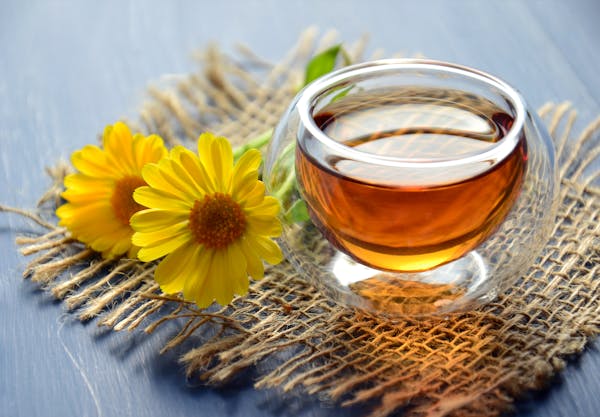
In the ever-evolving world of skincare, new ingredients are constantly emerging, promising to revolutionize our beauty routines. One such ingredient that has been creating quite a buzz (pun intended) is propolis. This natural substance, produced by bees, has been used for centuries in traditional medicine and is now making waves in the skincare industry. Let's dive into what propolis is and explore its numerous benefits for your skin.
What is Propolis?Propolis, often referred to as "bee glue," is a resinous mixture that honey bees produce by combining their own saliva and beeswax with exuded substances they collect from tree buds, sap flows, or other botanical sources. Bees use propolis as a protective barrier to seal small gaps in their hives, preventing the entry of intruders and maintaining the hive's internal environment.
The composition of propolis can vary depending on the geographic location and plant sources available to the bees, but it typically contains:
- Resins and vegetable balsams (50%)
- Waxes (30%)
- Essential oils (10%)
- Pollen (5%)
- Other organic compounds (5%)
This unique composition gives propolis a wide range of beneficial properties for skincare.
The Skincare Benefits of Propolis1. Antibacterial and Antimicrobial PropertiesOne of the primary benefits of propolis in skincare is its potent antibacterial and antimicrobial properties. These characteristics make propolis an excellent ingredient for fighting acne-causing bacteria and preventing breakouts. It can help cleanse the skin without over-drying, making it suitable for various skin types, including sensitive and acne-prone skin.
2. Antioxidant ProtectionPropolis is rich in flavonoids, which are powerful antioxidants. These compounds help protect the skin from free radical damage caused by environmental stressors such as UV radiation and pollution. By neutralizing these harmful molecules, propolis can help prevent premature aging, including the formation of fine lines and wrinkles.
3. Anti-Inflammatory EffectsThe anti-inflammatory properties of propolis make it an excellent ingredient for soothing irritated skin. It can help reduce redness, calm inflammation, and provide relief for various skin conditions such as eczema and rosacea. This soothing effect also makes propolis beneficial for after-sun care and treating minor skin irritations.
4. Wound HealingPropolis has been shown to promote wound healing by stimulating the production of new skin cells. This property can be particularly beneficial for treating minor cuts, scrapes, and burns. It may also help in reducing the appearance of scars and speeding up the healing process of acne lesions.
5. Hydration and MoisturizationWhile propolis itself is not a moisturizer, it can help improve the skin's ability to retain moisture. It forms a protective barrier on the skin, which can help lock in hydration and prevent water loss. This makes propolis a valuable ingredient in products designed for dry or dehydrated skin.
6. Balancing Oil ProductionFor those with oily or combination skin, propolis can help regulate sebum production. It works to balance the skin's natural oils without stripping it, which can help prevent both excessive oiliness and dryness.
7. Boosting Collagen ProductionSome studies suggest that propolis may stimulate collagen production in the skin. Collagen is essential for maintaining skin elasticity and firmness, making propolis a potentially valuable ingredient in anti-aging skincare routines.
8. Natural PreservativeIn addition to its skin benefits, propolis also acts as a natural preservative in skincare products. This property allows for the creation of more natural formulations with fewer synthetic preservatives.
How to Incorporate Propolis into Your Skincare RoutinePropolis can be found in various skincare products, including:
- Cleansers
- Toners
- Serums
- Moisturizers
- Face masks
- Spot treatments
When incorporating propolis into your skincare routine, it's best to start slowly, especially if you have sensitive skin. Begin by using a product containing propolis once or twice a week and gradually increase usage as your skin adjusts.
For those looking to target specific skin concerns:
- Acne-prone skin: Look for propolis in spot treatments or serums to help combat breakouts.
- Dry or dehydrated skin: Consider a propolis-infused moisturizer or face oil to lock in hydration.
- Aging skin: Opt for propolis serums or creams that also contain other anti-aging ingredients like vitamin C or retinol.
Potential Side Effects and PrecautionsWhile propolis is generally considered safe for most people, it's important to note that some individuals may be allergic to bee products. If you have a known allergy to honey or other bee-related products, it's best to avoid propolis or conduct a patch test before using any propolis-containing products.
Additionally, as with any new skincare ingredient, it's always wise to do a patch test on a small area of skin before applying it to your face to check for any adverse reactions.
ConclusionPropolis is indeed living up to its buzz in the skincare world. With its multifaceted benefits ranging from antibacterial properties to anti-aging effects, it's no wonder this bee-derived ingredient is creating such a stir. Whether you're looking to combat acne, soothe irritated skin, or simply enhance your overall skincare routine, propolis offers a natural and effective solution. As with any skincare product, consistency is key, so give your skin time to reap the full benefits of this remarkable ingredient. With propolis in your skincare arsenal, you're well on your way to achieving that coveted healthy, glowing complexion.
[img]https://images.pexels.com/photos/1638280/pexels-photo-1638280.jpeg?auto=compress&cs=tinysrgb&w=600[/img]
In the ever-evolving world of skincare, new ingredients are constantly emerging, promising to revolutionize our beauty routines. One such ingredient that has been creating quite a buzz (pun intended) is propolis. This natural substance, produced by bees, has been used for centuries in traditional medicine and is now making waves in the skincare industry. Let's dive into what propolis is and explore its numerous benefits for your skin.
[b][size=150]What is Propolis?[/size][/b]
Propolis, often referred to as "bee glue," is a resinous mixture that honey bees produce by combining their own saliva and beeswax with exuded substances they collect from tree buds, sap flows, or other botanical sources. Bees use propolis as a protective barrier to seal small gaps in their hives, preventing the entry of intruders and maintaining the hive's internal environment.
The composition of propolis can vary depending on the geographic location and plant sources available to the bees, but it typically contains:
- Resins and vegetable balsams (50%)
- Waxes (30%)
- Essential oils (10%)
- Pollen (5%)
- Other organic compounds (5%)
This unique composition gives propolis a wide range of beneficial properties for skincare.
[b][size=150]The Skincare Benefits of Propolis[/size][/b]
[b][size=150]1. Antibacterial and Antimicrobial Properties[/size][/b]
One of the primary benefits of propolis in skincare is its potent antibacterial and antimicrobial properties. These characteristics make propolis an excellent ingredient for fighting acne-causing bacteria and preventing breakouts. It can help cleanse the skin without over-drying, making it suitable for various skin types, including sensitive and acne-prone skin.
[b][size=150]2. Antioxidant Protection[/size][/b]
Propolis is rich in flavonoids, which are powerful antioxidants. These compounds help protect the skin from free radical damage caused by environmental stressors such as UV radiation and pollution. By neutralizing these harmful molecules, propolis can help prevent premature aging, including the formation of fine lines and wrinkles.
[b][size=150]3. Anti-Inflammatory Effects[/size][/b]
The anti-inflammatory properties of propolis make it an excellent ingredient for soothing irritated skin. It can help reduce redness, calm inflammation, and provide relief for various skin conditions such as eczema and rosacea. This soothing effect also makes propolis beneficial for after-sun care and treating minor skin irritations.
[b][size=150]4. Wound Healing[/size][/b]
Propolis has been shown to promote wound healing by stimulating the production of new skin cells. This property can be particularly beneficial for treating minor cuts, scrapes, and burns. It may also help in reducing the appearance of scars and speeding up the healing process of acne lesions.
[b][size=150]5. Hydration and Moisturization[/size][/b]
While propolis itself is not a moisturizer, it can help improve the skin's ability to retain moisture. It forms a protective barrier on the skin, which can help lock in hydration and prevent water loss. This makes propolis a valuable ingredient in products designed for dry or dehydrated skin.
[b][size=150]6. Balancing Oil Production[/size][/b]
For those with oily or combination skin, propolis can help regulate sebum production. It works to balance the skin's natural oils without stripping it, which can help prevent both excessive oiliness and dryness.
[b][size=150]7. Boosting Collagen Production[/size][/b]
Some studies suggest that propolis may stimulate collagen production in the skin. Collagen is essential for maintaining skin elasticity and firmness, making propolis a potentially valuable ingredient in anti-aging skincare routines.
[b][size=150]8. Natural Preservative[/size][/b]
In addition to its skin benefits, propolis also acts as a natural preservative in skincare products. This property allows for the creation of more natural formulations with fewer synthetic preservatives.
[b][size=150]How to Incorporate Propolis into Your Skincare Routine[/size][/b]
Propolis can be found in various skincare products, including:
- Cleansers
- Toners
- Serums
- Moisturizers
- Face masks
- Spot treatments
When incorporating propolis into your skincare routine, it's best to start slowly, especially if you have sensitive skin. Begin by using a product containing propolis once or twice a week and gradually increase usage as your skin adjusts.
For those looking to target specific skin concerns:
[b][size=150]- Acne-prone skin:[/size][/b] Look for propolis in spot treatments or serums to help combat breakouts.
[b][size=150]- Dry or dehydrated skin: [/size][/b]Consider a propolis-infused moisturizer or face oil to lock in hydration.
[b][size=150]- Aging skin:[/size][/b] Opt for propolis serums or creams that also contain other anti-aging ingredients like vitamin C or retinol.
[b][size=150]Potential Side Effects and Precautions[/size][/b]
While propolis is generally considered safe for most people, it's important to note that some individuals may be allergic to bee products. If you have a known allergy to honey or other bee-related products, it's best to avoid propolis or conduct a patch test before using any propolis-containing products.
Additionally, as with any new skincare ingredient, it's always wise to do a patch test on a small area of skin before applying it to your face to check for any adverse reactions.
[b][size=150]Conclusion[/size][/b]
Propolis is indeed living up to its buzz in the skincare world. With its multifaceted benefits ranging from antibacterial properties to anti-aging effects, it's no wonder this bee-derived ingredient is creating such a stir. Whether you're looking to combat acne, soothe irritated skin, or simply enhance your overall skincare routine, propolis offers a natural and effective solution. As with any skincare product, consistency is key, so give your skin time to reap the full benefits of this remarkable ingredient. With propolis in your skincare arsenal, you're well on your way to achieving that coveted healthy, glowing complexion.