by Yusra » 29 Aug 2024, 05:29
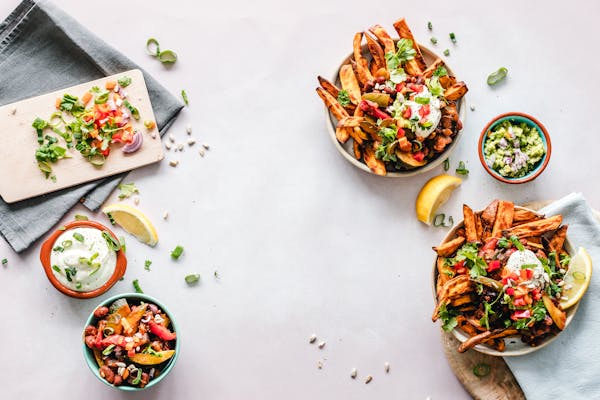
We've all heard the saying, "You are what you eat," but have you ever considered how true this is when it comes to your skin? While a good skincare routine is essential, the path to glowing, hydrated skin starts from within. The foods you consume play a crucial role in nourishing your skin, keeping it hydrated, and giving you that coveted healthy glow. So, let's dive into the world of skin-loving foods and discover how to eat your way to radiant skin.
Hydration HeroesBefore we talk about specific foods, let's address the most important factor for skin hydration: water. Drinking plenty of water throughout the day is crucial for keeping your skin plump and hydrated. Aim for at least 8 glasses a day, and consider adding some flavor with slices of lemon, cucumber, or berries if plain water isn't your thing.
But hydration isn't just about drinking water. Many foods have high water content and can contribute to your daily hydration needs. Watermelon, cucumber, and strawberries are all excellent choices. These foods not only help hydrate your skin but also provide essential vitamins and antioxidants.
Omega-3 Fatty Acids: Your Skin's Best FriendOmega-3 fatty acids are a powerhouse when it comes to skin health. These essential fats help strengthen your skin's barrier, locking in moisture and keeping irritants out. They also have anti-inflammatory properties, which can help calm redness and irritation.
Where can you find these skin-loving fats? Fatty fish like salmon, mackerel, and sardines are excellent sources. If you're not a fan of fish, consider adding chia seeds, flaxseeds, or walnuts to your diet. For vegetarians and vegans, algae-based omega-3 supplements can be a good alternative.
Antioxidant-Rich Foods for a Healthy GlowAntioxidants are your skin's defense against free radicals, which can damage skin cells and accelerate aging. Incorporating a variety of colorful fruits and vegetables into your diet ensures you're getting a wide range of these protective compounds.
Berries, especially blueberries and strawberries, are packed with antioxidants. Dark leafy greens like spinach and kale are not only rich in antioxidants but also provide vitamin C, which is essential for collagen production. Don't forget about sweet potatoes and carrots, which are high in beta-carotene, a precursor to vitamin A that helps promote skin cell turnover.
Green tea deserves a special mention here. It's rich in polyphenols, powerful antioxidants that can protect your skin from sun damage and reduce inflammation. Swapping your afternoon coffee for a cup of green tea could do wonders for your skin.
Protein: The Building Blocks of Healthy SkinYour skin needs protein to produce collagen and elastin, the compounds responsible for skin's firmness and elasticity. Lean meats, fish, eggs, and legumes are all excellent sources of protein. If you're following a plant-based diet, quinoa, lentils, and tofu can help meet your protein needs.
Don't forget about nuts and seeds. Almonds, for instance, are not only a good source of protein but also vitamin E, which can help protect your skin from oxidative damage.
Probiotics for Skin BalanceThe health of your gut can directly impact the health of your skin. Probiotics, or beneficial bacteria, can help balance your gut microbiome, which in turn can lead to clearer, healthier skin. Yogurt, kefir, and other fermented foods like kimchi or sauerkraut are great sources of probiotics.
If dairy doesn't agree with you, look for non-dairy probiotic options like coconut yogurt or consider a high-quality probiotic supplement.
Vitamin C: The Collagen BoosterVitamin C is crucial for collagen production, which helps keep your skin firm and plump. It's also a powerful antioxidant that can help protect your skin from damage. Citrus fruits, strawberries, bell peppers, and broccoli are all excellent sources of vitamin C.
Foods to Limit for Better SkinWhile we've focused on what to eat, it's also worth mentioning a few things you might want to limit for the sake of your skin:
1. Sugar: High sugar intake can lead to glycation, a process that damages collagen and elastin.
2. Processed foods: Often high in unhealthy fats and additives, these can promote inflammation.
3. Excessive caffeine: It can be dehydrating if consumed in large amounts.
Remember, moderation is key. You don't have to completely eliminate these foods, but being mindful of your intake can make a difference in your skin's appearance.
The Bottom LineAchieving glowing, hydrated skin isn't just about what you put on your skin – it's also about what you put in your body. By focusing on a balanced diet rich in hydrating foods, omega-3 fatty acids, antioxidants, and essential vitamins and minerals, you can nourish your skin from the inside out.
Remember, everyone's skin is different, and what works for one person may not work for another. Pay attention to how your skin reacts to different foods and adjust your diet accordingly. And of course, a healthy diet should be paired with a good skincare routine, adequate sleep, and sun protection for the best results.
So, the next time you're planning your meals, think of them as an opportunity to feed your skin. With the right foods, you can eat your way to that healthy, hydrated glow you've always wanted. Your skin (and your overall health) will thank you!
[img]https://images.pexels.com/photos/1640773/pexels-photo-1640773.jpeg?auto=compress&cs=tinysrgb&w=600[/img]
We've all heard the saying, "You are what you eat," but have you ever considered how true this is when it comes to your skin? While a good skincare routine is essential, the path to glowing, hydrated skin starts from within. The foods you consume play a crucial role in nourishing your skin, keeping it hydrated, and giving you that coveted healthy glow. So, let's dive into the world of skin-loving foods and discover how to eat your way to radiant skin.
[b][size=150]Hydration Heroes[/size][/b]
Before we talk about specific foods, let's address the most important factor for skin hydration: water. Drinking plenty of water throughout the day is crucial for keeping your skin plump and hydrated. Aim for at least 8 glasses a day, and consider adding some flavor with slices of lemon, cucumber, or berries if plain water isn't your thing.
But hydration isn't just about drinking water. Many foods have high water content and can contribute to your daily hydration needs. Watermelon, cucumber, and strawberries are all excellent choices. These foods not only help hydrate your skin but also provide essential vitamins and antioxidants.
[b][size=150]Omega-3 Fatty Acids: Your Skin's Best Friend[/size][/b]
Omega-3 fatty acids are a powerhouse when it comes to skin health. These essential fats help strengthen your skin's barrier, locking in moisture and keeping irritants out. They also have anti-inflammatory properties, which can help calm redness and irritation.
Where can you find these skin-loving fats? Fatty fish like salmon, mackerel, and sardines are excellent sources. If you're not a fan of fish, consider adding chia seeds, flaxseeds, or walnuts to your diet. For vegetarians and vegans, algae-based omega-3 supplements can be a good alternative.
[b][size=150]Antioxidant-Rich Foods for a Healthy Glow[/size][/b]
Antioxidants are your skin's defense against free radicals, which can damage skin cells and accelerate aging. Incorporating a variety of colorful fruits and vegetables into your diet ensures you're getting a wide range of these protective compounds.
Berries, especially blueberries and strawberries, are packed with antioxidants. Dark leafy greens like spinach and kale are not only rich in antioxidants but also provide vitamin C, which is essential for collagen production. Don't forget about sweet potatoes and carrots, which are high in beta-carotene, a precursor to vitamin A that helps promote skin cell turnover.
Green tea deserves a special mention here. It's rich in polyphenols, powerful antioxidants that can protect your skin from sun damage and reduce inflammation. Swapping your afternoon coffee for a cup of green tea could do wonders for your skin.
[b][size=150]Protein: The Building Blocks of Healthy Skin[/size][/b]
Your skin needs protein to produce collagen and elastin, the compounds responsible for skin's firmness and elasticity. Lean meats, fish, eggs, and legumes are all excellent sources of protein. If you're following a plant-based diet, quinoa, lentils, and tofu can help meet your protein needs.
Don't forget about nuts and seeds. Almonds, for instance, are not only a good source of protein but also vitamin E, which can help protect your skin from oxidative damage.
[b][size=150]Probiotics for Skin Balance[/size][/b]
The health of your gut can directly impact the health of your skin. Probiotics, or beneficial bacteria, can help balance your gut microbiome, which in turn can lead to clearer, healthier skin. Yogurt, kefir, and other fermented foods like kimchi or sauerkraut are great sources of probiotics.
If dairy doesn't agree with you, look for non-dairy probiotic options like coconut yogurt or consider a high-quality probiotic supplement.
[b][size=150]Vitamin C: The Collagen Booster[/size][/b]
Vitamin C is crucial for collagen production, which helps keep your skin firm and plump. It's also a powerful antioxidant that can help protect your skin from damage. Citrus fruits, strawberries, bell peppers, and broccoli are all excellent sources of vitamin C.
[b][size=150]Foods to Limit for Better Skin[/size][/b]
While we've focused on what to eat, it's also worth mentioning a few things you might want to limit for the sake of your skin:
[b][size=150]1. Sugar: [/size][/b]High sugar intake can lead to glycation, a process that damages collagen and elastin.
[b][size=150]2. Processed foods:[/size][/b] Often high in unhealthy fats and additives, these can promote inflammation.
[b][size=150]3. Excessive caffeine:[/size][/b] It can be dehydrating if consumed in large amounts.
Remember, moderation is key. You don't have to completely eliminate these foods, but being mindful of your intake can make a difference in your skin's appearance.
[b][size=150]The Bottom Line[/size][/b]
Achieving glowing, hydrated skin isn't just about what you put on your skin – it's also about what you put in your body. By focusing on a balanced diet rich in hydrating foods, omega-3 fatty acids, antioxidants, and essential vitamins and minerals, you can nourish your skin from the inside out.
Remember, everyone's skin is different, and what works for one person may not work for another. Pay attention to how your skin reacts to different foods and adjust your diet accordingly. And of course, a healthy diet should be paired with a good skincare routine, adequate sleep, and sun protection for the best results.
So, the next time you're planning your meals, think of them as an opportunity to feed your skin. With the right foods, you can eat your way to that healthy, hydrated glow you've always wanted. Your skin (and your overall health) will thank you!