ForumCoin is an online community where you earn ForumCoin for making posts and for referring other members. You can use the ForumCoin virtual currency to buy and sell goods and services and to exchange for traditional currencies. Find out more!
Get paid up to 150 ForumCoin to submit your article.
During the 90s, Japan introduced an interesting innovation in the world of CDs: paper CDs. These unique discs were made entirely of paper and offered larger storage capacities compared to their plastic counterparts. However, despite their potential, paper CDs failed to gain traction in the market. Surprisingly, if you try searching for them on Google, you won't find many results in English. I only became aware of their existence through an old DVD of documentaries called "Japan video topic" that I stumbled upon from memory. The downfall of paper CDs can be attributed to the fact that plastic CDs are more durable—after all, you can easily cut paper CDs with a pair of scissors.
Speaking of paper, there was once an intriguing concept of a tablet made entirely of paper. However, this concept failed to capture people's attention and never made it to the market. Interestingly, elements of this idea were later incorporated into the development of the Remarkable tablet. The Remarkable tablet, although not made of paper, offers a thin and lightweight design, resembling a notebook, where users can effortlessly take notes and perform various tasks.
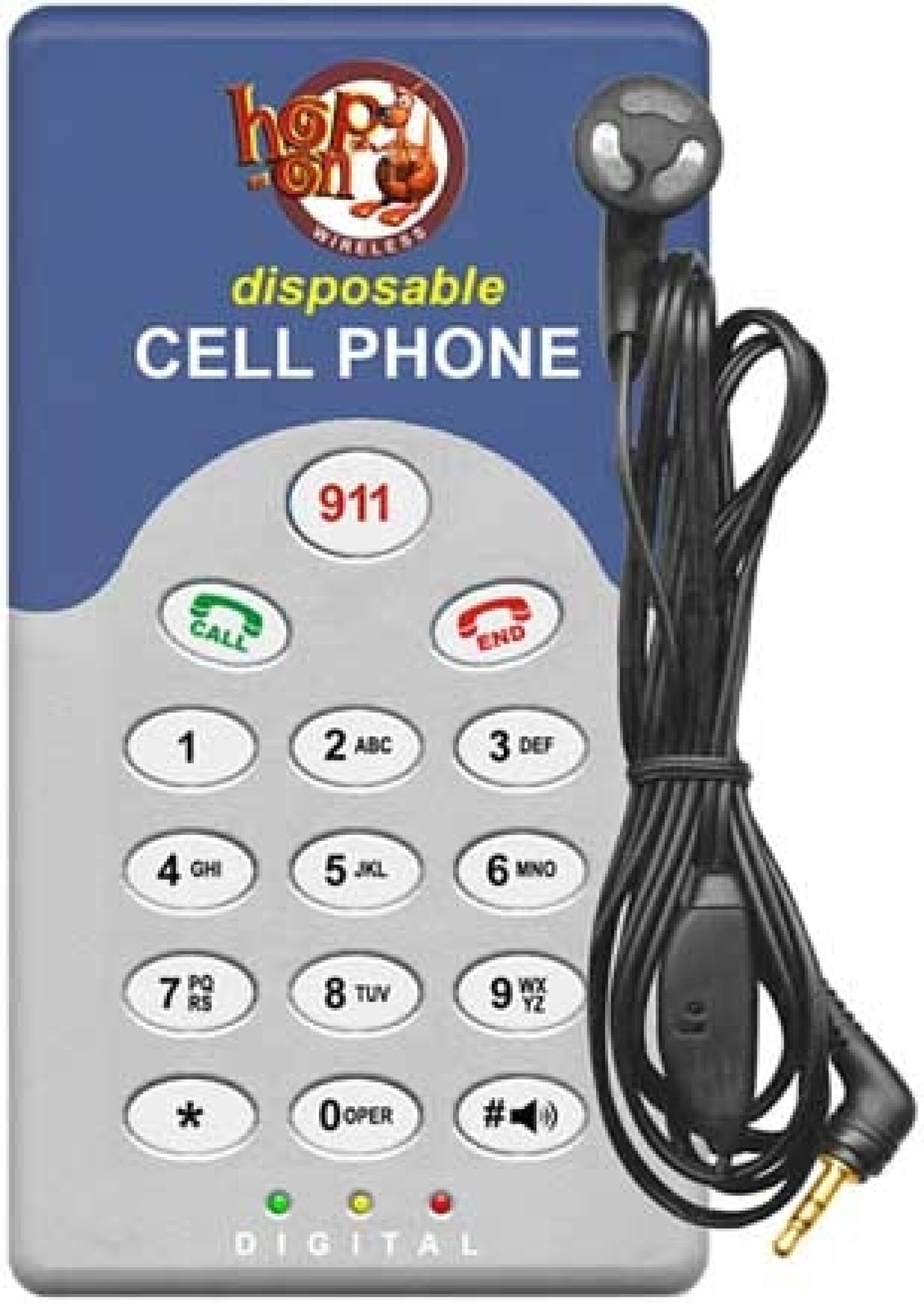
In the early 2000s, a company took a bold step towards innovation by attempting to introduce disposable phones. These phones were designed for one-time use, primarily for emergency situations. With a price tag of approximately $10, these disposable phones aimed to provide a cost-effective solution. However, they didn't gain widespread popularity.
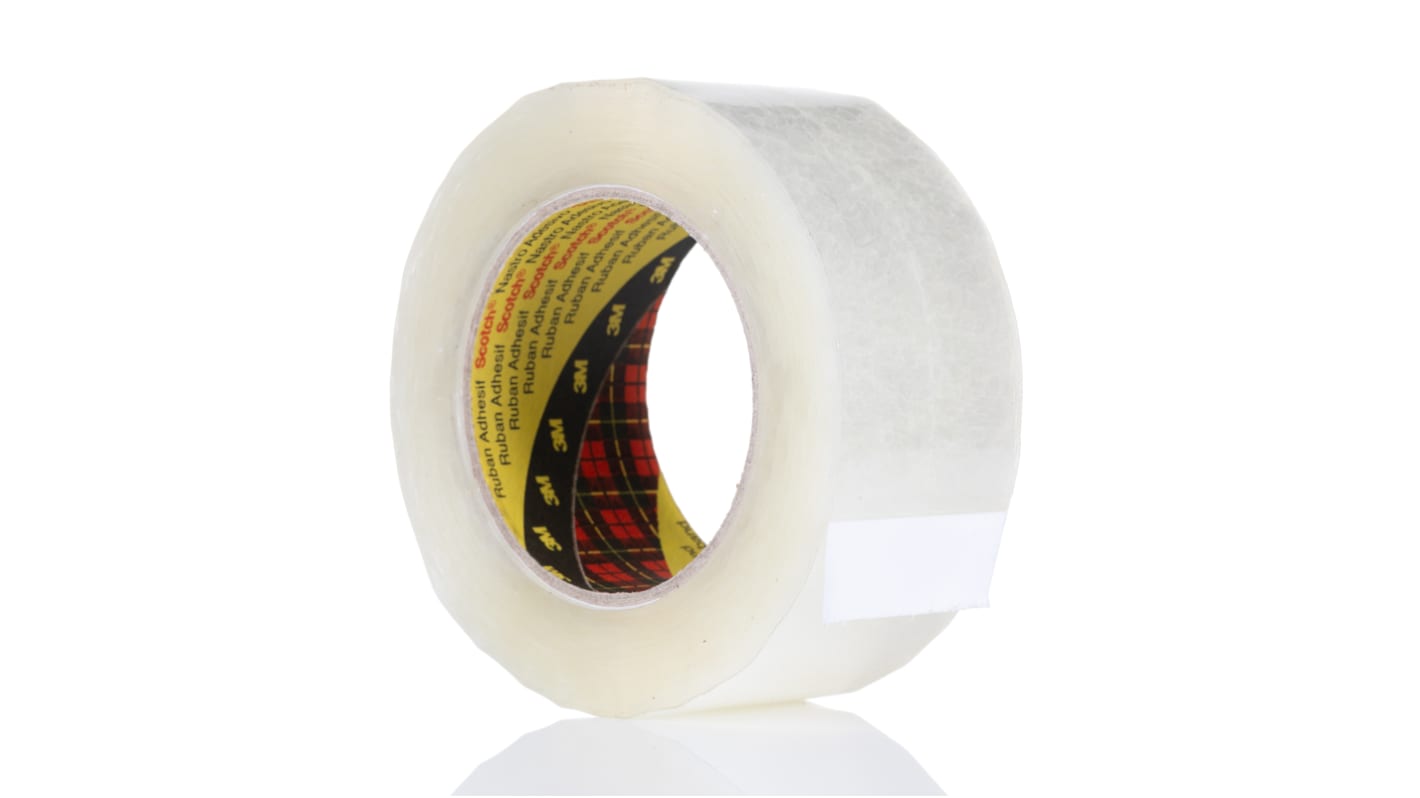
One of my computer teachers shared an intriguing piece of information with me. In 2001, scientists proposed the idea of using adhesive tapes, similar to stick tapes or adhesive tapes, as a potential media storage alternative to CDs. If you examine adhesive tapes closely, you'll notice they have lines resembling those found on a CD. Surprisingly, an adhesive tape has the capacity to store up to 10 GB of data. So why didn't scientists pursue this concept further? Well, flash drives happened. Flash drives can have data storage as big as 2 terabytes. If you are a hacker, by the way, you can convert a 1GB USB flash drive to a 100GB one.
Making a "Scotch tape CD player" is attainable and doable. It is just that no engineer will bother making it since we have better options now, like flash drives, SD cards, and cloud storage.
Microsoft once created Windows Surface with the aim of replacing PCs with table computers. However, it got overshadowed and ultimately discontinued with the introduction of tablets and smartphones in the market. PCs managed to maintain their presence and relevance.
The most infamous failed technology of all time is the laser disk. Laser disks existed before CDs and DVDs but it got defeated by the VHS a technology it is meant to replace. I think one of the factors they fail is that they are overpriced and oversized.
Non Circular CDs
In the 90s, They tried to make non circular cds happen for Ps1 and some music player.
During the 90s, Japan introduced an interesting innovation in the world of CDs: paper CDs. These unique discs were made entirely of paper and offered larger storage capacities compared to their plastic counterparts. However, despite their potential, paper CDs failed to gain traction in the market. Surprisingly, if you try searching for them on Google, you won't find many results in English. I only became aware of their existence through an old DVD of documentaries called "Japan video topic" that I stumbled upon from memory. The downfall of paper CDs can be attributed to the fact that plastic CDs are more durable—after all, you can easily cut paper CDs with a pair of scissors.
Speaking of paper, there was once an intriguing concept of a tablet made entirely of paper. However, this concept failed to capture people's attention and never made it to the market. Interestingly, elements of this idea were later incorporated into the development of the Remarkable tablet. The Remarkable tablet, although not made of paper, offers a thin and lightweight design, resembling a notebook, where users can effortlessly take notes and perform various tasks.
[youtube]81iiGWdsJgg[/youtube]
In the early 2000s, a company took a bold step towards innovation by attempting to introduce disposable phones. These phones were designed for one-time use, primarily for emergency situations. With a price tag of approximately $10, these disposable phones aimed to provide a cost-effective solution. However, they didn't gain widespread popularity.
One of my computer teachers shared an intriguing piece of information with me. In 2001, scientists proposed the idea of using adhesive tapes, similar to stick tapes or adhesive tapes, as a potential media storage alternative to CDs. If you examine adhesive tapes closely, you'll notice they have lines resembling those found on a CD. Surprisingly, an adhesive tape has the capacity to store up to 10 GB of data. So why didn't scientists pursue this concept further? Well, flash drives happened. Flash drives can have data storage as big as 2 terabytes. If you are a hacker, by the way, you can convert a 1GB USB flash drive to a 100GB one.
Making a "Scotch tape CD player" is attainable and doable. It is just that no engineer will bother making it since we have better options now, like flash drives, SD cards, and cloud storage.
Microsoft once created Windows Surface with the aim of replacing PCs with table computers. However, it got overshadowed and ultimately discontinued with the introduction of tablets and smartphones in the market. PCs managed to maintain their presence and relevance.
[youtube]X9NVRuNsgEA[/youtube]
The most infamous failed technology of all time is the laser disk. Laser disks existed before CDs and DVDs but it got defeated by the VHS a technology it is meant to replace. I think one of the factors they fail is that they are overpriced and oversized.
Mika wrote:Never heard about any of these. I can see what they failed. I would have never bought these items
Neither do I, never heard about these. They all seem too weird and probably that was the reason why they didn't succeed.
[quote="Mika"]Never heard about any of these. I can see what they failed. I would have never bought these items[/quote] Neither do I, never heard about these. They all seem too weird and probably that was the reason why they didn't succeed.
Imagine if you save your most important files to your a roll of sticky tape and a person from your household cuts some of that sticky tape so they can cover they can cover christmas presents. RIP important files.
Imagine if you save your most important files to your a roll of sticky tape and a person from your household cuts some of that sticky tape so they can cover they can cover christmas presents. RIP important files.
Nokia N-Gage (Phone + Gaming Console Hybrid) Released in 2003, the Nokia N-Gage combined a phone and a gaming console but suffered from poor design (you had to hold it sideways to talk) and weak game support. It was crushed by the rise of the Nintendo DS and PlayStation Portable.
Nokia N-Gage (Phone + Gaming Console Hybrid) Released in 2003, the Nokia N-Gage combined a phone and a gaming console but suffered from poor design (you had to hold it sideways to talk) and weak game support. It was crushed by the rise of the Nintendo DS and PlayStation Portable.
sweerie_banana wrote:Nokia N-Gage (Phone + Gaming Console Hybrid) Released in 2003, the Nokia N-Gage combined a phone and a gaming console but suffered from poor design (you had to hold it sideways to talk) and weak game support. It was crushed by the rise of the Nintendo DS and PlayStation Portable.
It was okay for playing games but kind of weird for calls, and then again like you said, too weak to handle most games.
[quote="sweerie_banana"]Nokia N-Gage (Phone + Gaming Console Hybrid) Released in 2003, the Nokia N-Gage combined a phone and a gaming console but suffered from poor design (you had to hold it sideways to talk) and weak game support. It was crushed by the rise of the Nintendo DS and PlayStation Portable.
[youtube]U0rgRJd0YCA[/youtube][/quote]
It was okay for playing games but kind of weird for calls, and then again like you said, too weak to handle most games.
Netherrealmer wrote:The most infamous failed technology of all time is the laser disk. Laser disks existed before CDs and DVDs but it got defeated by the VHS a technology it is meant to replace. I think one of the factors they fail is that they are overpriced and oversized.
Laser discs are an example of a technology that failed miserably in the marketplace due to their size and prohibitive price. Although they had better pictures than VHS tapes, people lost out due to the inconvenience of carrying large media like platters. This teaches us that something that is difficult to use will not last in a competitive market.
[quote="Netherrealmer"]The most infamous failed technology of all time is the laser disk. Laser disks existed before CDs and DVDs but it got defeated by the VHS a technology it is meant to replace. I think one of the factors they fail is that they are overpriced and oversized.[/quote]
Laser discs are an example of a technology that failed miserably in the marketplace due to their size and prohibitive price. Although they had better pictures than VHS tapes, people lost out due to the inconvenience of carrying large media like platters. This teaches us that something that is difficult to use will not last in a competitive market.
Netherrealmer wrote:During the 90s, Japan introduced an interesting innovation in the world of CDs: paper CDs. These unique discs were made entirely of paper and offered larger storage capacities compared to their plastic counterparts.
Japan brought about a dangerous revolution in the 1990s by developing paper CDs that had a much higher data storage capacity than plastic ones. This technology was a cutting-edge innovation aimed at protecting the environment and increasing storage space. It was a unique innovation that proved that the digital world had no limits.
[quote="Netherrealmer"]During the 90s, Japan introduced an interesting innovation in the world of CDs: paper CDs. These unique discs were made entirely of paper and offered larger storage capacities compared to their plastic counterparts.[/quote]
Japan brought about a dangerous revolution in the 1990s by developing paper CDs that had a much higher data storage capacity than plastic ones. This technology was a cutting-edge innovation aimed at protecting the environment and increasing storage space. It was a unique innovation that proved that the digital world had no limits.