by Yusra » 25 Feb 2026, 20:33
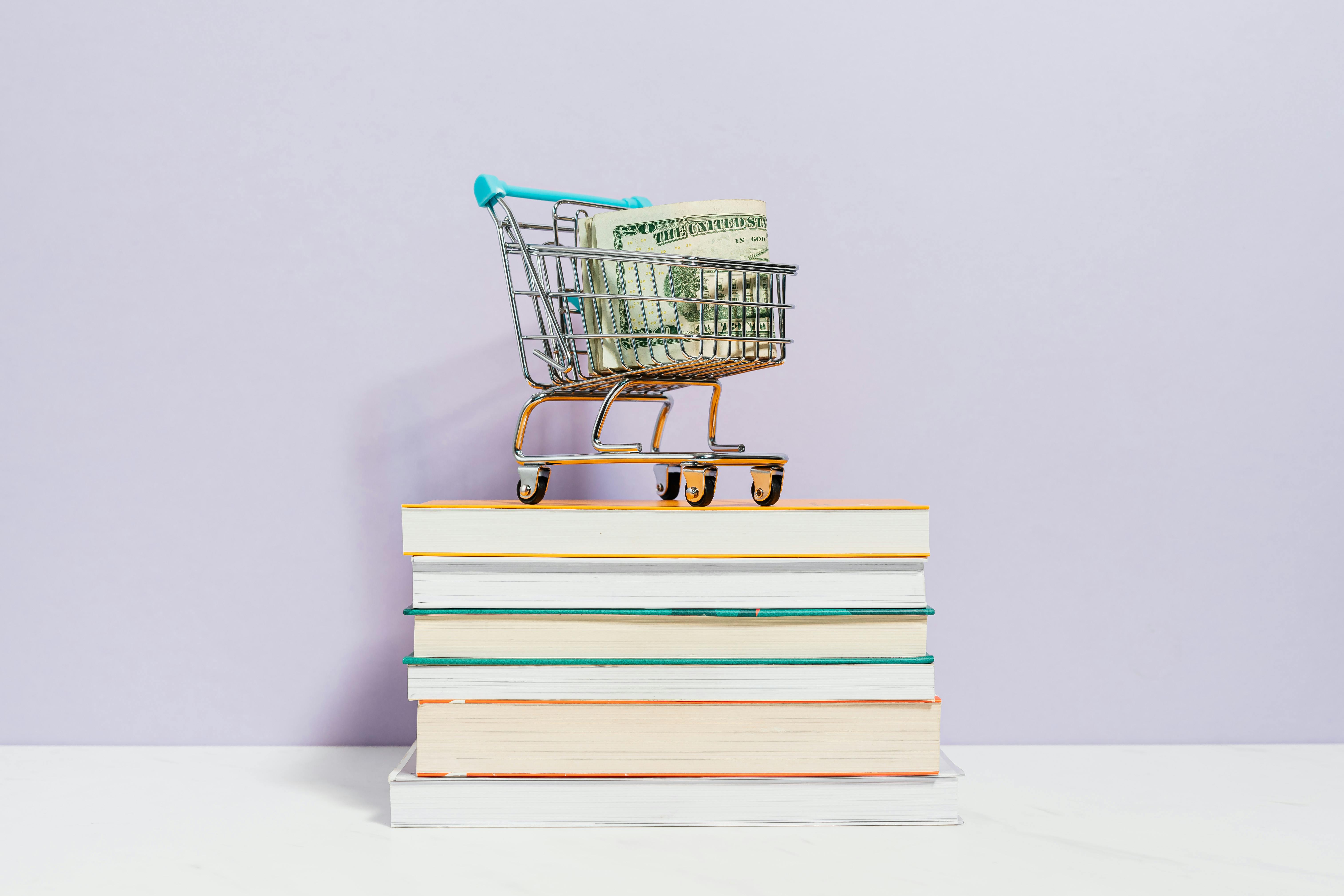
Entertainment is one of those budget categories that sneaks up on you. Unlike rent or groceries, it doesn't feel like a fixed expense. so it rarely gets the same scrutiny. But between streaming subscriptions, ebook purchases, movie rentals, audiobooks, and the occasional impulse buy on an app store, a lot of people are spending $150 to $200 a month on digital content without ever sitting down and actually adding it up.
The good news is that this is one of the easiest areas of your budget to trim without feeling deprived. Most of the content you want is available for free or close to it. you just need to know where to look and how to think about it differently.
Your Library Card Is Worth More Than You ThinkIf you haven't used your public library recently, you might be shocked by what it now offers. Libraries have quietly become one of the best deals in personal finance, and most people have no idea.
Beyond physical books, most public libraries give cardholders free access to digital lending apps like Libby and Hoopla. Through these platforms, you can borrow ebooks, audiobooks, magazines, and even graphic novels all for free, directly to your phone or tablet. No late fees on most platforms, no trips required. Just borrow, read, return.
Some library systems also offer free access to streaming services, language learning apps, and digital newspaper archives. It varies by location, but it's worth spending fifteen minutes on your local library's website to see what's available. Most people are surprised.
If you're a regular book buyer spending $20 to $30 a month on titles, switching even partially to library borrowing can save you hundreds of dollars a year on its own.
Rethink the Streaming Pile-UpStreaming services were supposed to be the affordable alternative to cable. For a while, they were. But somewhere along the way, most households ended up subscribing to four or five of them simultaneously, and the monthly total quietly crept back up to cable territory.
The smarter approach is to treat streaming subscriptions as rotating rather than permanent. Most platforms release their biggest content in waves. Instead of paying for Netflix, Hulu, Disney+, HBO Max, and Apple TV+ every single month, pick one or two, watch what you want, then swap. Cancel one, try another. You're not losing access to content permanently. you're just being deliberate about when you pay for it.
Also worth checking: whether your phone plan, credit card, or internet provider includes any streaming subscriptions as a perk. A surprising number of people are paying for services they could be getting for free through benefits they already have.
Buy Used, Buy SmartPhysical books get a bad reputation in an age of digital everything, but used books are genuinely one of the best deals around. Thrift stores, secondhand bookshops, and online platforms like ThriftBooks or AbeBooks regularly sell titles in good condition for one or two dollars. For someone who reads regularly, buying used instead of new can easily save $300 or more a year.
The same logic applies to DVDs and Blu-rays if you prefer owning physical copies of films. Secondhand media stores and online resellers are full of titles for a few dollars each often less than a single digital rental.
For digital purchases specifically, patience is a powerful money-saving tool. Video games, ebooks, and movies drop in price significantly within months of release. If you can wait, you almost always pay less. Wishlist features on most platforms will notify you when a price drops, so you don't have to remember to check.
Free and Ad-Supported OptionsIt's easy to forget that a lot of content is completely free if you're willing to watch or listen alongside a few ads. Platforms like Tubi, Pluto TV, and Peacock's free tier offer thousands of movies and TV shows at no cost. Spotify's free tier covers most casual music listening. YouTube has more documentary and educational content than most people will ever get through. The paid, ad-free experience is more comfortable. But the free version is often more than enough.
Entertainment doesn't have to be expensive. It just requires being a little more intentional about what you're actually paying for and realizing how much is already available to you at little to no cost.
[img]https://images.pexels.com/photos/5632401/pexels-photo-5632401.jpeg[/img]
Entertainment is one of those budget categories that sneaks up on you. Unlike rent or groceries, it doesn't feel like a fixed expense. so it rarely gets the same scrutiny. But between streaming subscriptions, ebook purchases, movie rentals, audiobooks, and the occasional impulse buy on an app store, a lot of people are spending $150 to $200 a month on digital content without ever sitting down and actually adding it up.
The good news is that this is one of the easiest areas of your budget to trim without feeling deprived. Most of the content you want is available for free or close to it. you just need to know where to look and how to think about it differently.
[b][size=150]Your Library Card Is Worth More Than You Think[/size][/b]
If you haven't used your public library recently, you might be shocked by what it now offers. Libraries have quietly become one of the best deals in personal finance, and most people have no idea.
Beyond physical books, most public libraries give cardholders free access to digital lending apps like Libby and Hoopla. Through these platforms, you can borrow ebooks, audiobooks, magazines, and even graphic novels all for free, directly to your phone or tablet. No late fees on most platforms, no trips required. Just borrow, read, return.
Some library systems also offer free access to streaming services, language learning apps, and digital newspaper archives. It varies by location, but it's worth spending fifteen minutes on your local library's website to see what's available. Most people are surprised.
If you're a regular book buyer spending $20 to $30 a month on titles, switching even partially to library borrowing can save you hundreds of dollars a year on its own.
[b][size=150]Rethink the Streaming Pile-Up[/size][/b]
Streaming services were supposed to be the affordable alternative to cable. For a while, they were. But somewhere along the way, most households ended up subscribing to four or five of them simultaneously, and the monthly total quietly crept back up to cable territory.
The smarter approach is to treat streaming subscriptions as rotating rather than permanent. Most platforms release their biggest content in waves. Instead of paying for Netflix, Hulu, Disney+, HBO Max, and Apple TV+ every single month, pick one or two, watch what you want, then swap. Cancel one, try another. You're not losing access to content permanently. you're just being deliberate about when you pay for it.
Also worth checking: whether your phone plan, credit card, or internet provider includes any streaming subscriptions as a perk. A surprising number of people are paying for services they could be getting for free through benefits they already have.
[b][size=150]Buy Used, Buy Smart[/size][/b]
Physical books get a bad reputation in an age of digital everything, but used books are genuinely one of the best deals around. Thrift stores, secondhand bookshops, and online platforms like ThriftBooks or AbeBooks regularly sell titles in good condition for one or two dollars. For someone who reads regularly, buying used instead of new can easily save $300 or more a year.
The same logic applies to DVDs and Blu-rays if you prefer owning physical copies of films. Secondhand media stores and online resellers are full of titles for a few dollars each often less than a single digital rental.
For digital purchases specifically, patience is a powerful money-saving tool. Video games, ebooks, and movies drop in price significantly within months of release. If you can wait, you almost always pay less. Wishlist features on most platforms will notify you when a price drops, so you don't have to remember to check.
[b][size=150]Free and Ad-Supported Options[/size][/b]
It's easy to forget that a lot of content is completely free if you're willing to watch or listen alongside a few ads. Platforms like Tubi, Pluto TV, and Peacock's free tier offer thousands of movies and TV shows at no cost. Spotify's free tier covers most casual music listening. YouTube has more documentary and educational content than most people will ever get through. The paid, ad-free experience is more comfortable. But the free version is often more than enough.
Entertainment doesn't have to be expensive. It just requires being a little more intentional about what you're actually paying for and realizing how much is already available to you at little to no cost.