by Yusra » 04 Mar 2026, 20:38
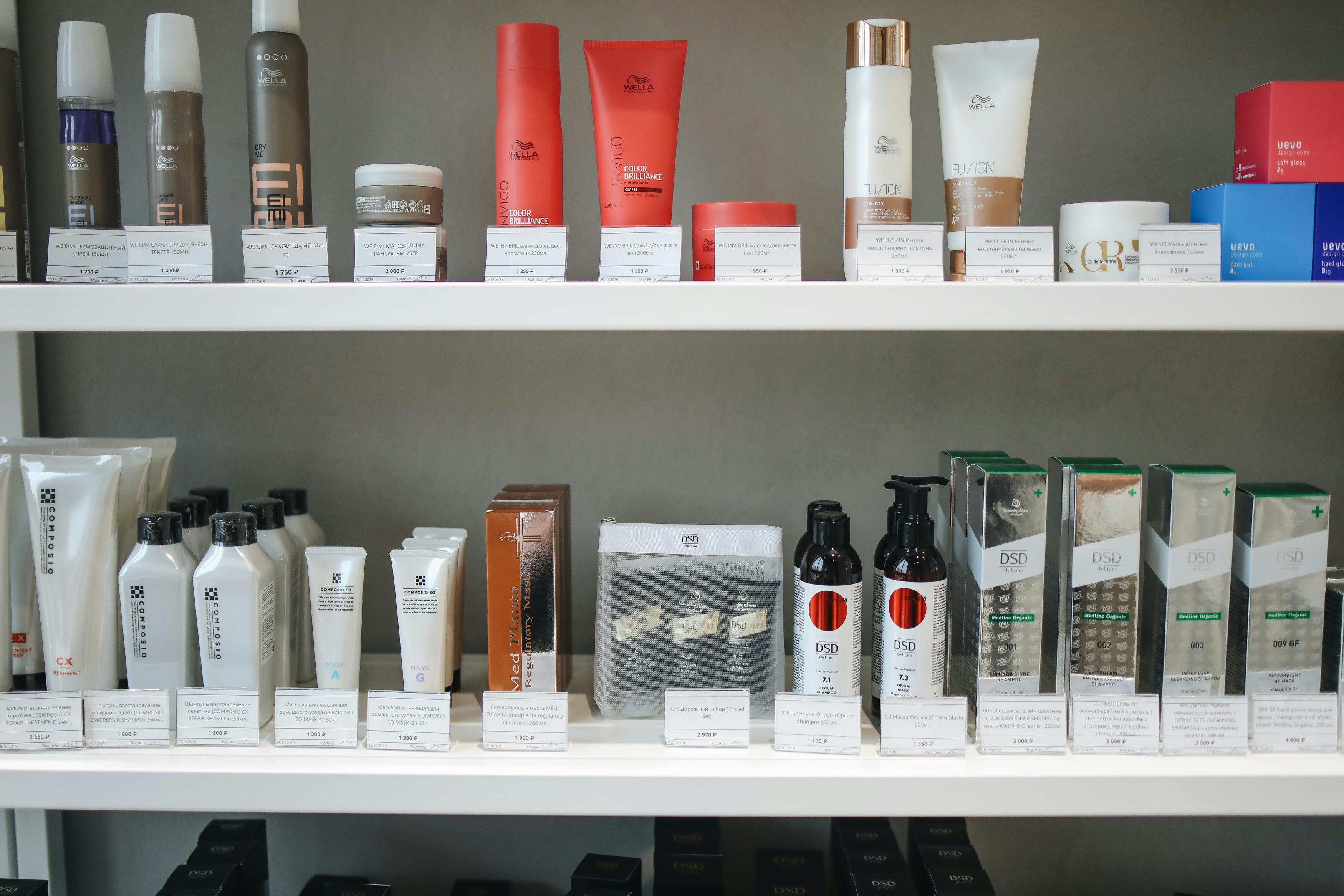
Walk down any beauty aisle and you'll see prices that make your wallet cry $50 moisturizers, $30 shampoos, $40 serums. The beauty industry has convinced us that expensive automatically means effective, but here's the truth: you can look and feel great without spending a fortune. Saving money on beauty and personal care products isn't about sacrificing quality or results. It's about being smart, strategic, and willing to question the marketing hype.
Let's explore practical ways to cut your beauty budget without compromising your routine.
Stop Paying for Packaging and MarketingThat luxurious glass bottle and celebrity endorsement? You're paying for them, not better ingredients. Many drugstore brands use similar formulations to high-end products but charge a fraction of the price because they skip the fancy packaging and massive advertising budgets.
Compare ingredient lists instead of brands. A $10 CeraVe moisturizer often contains the same active ingredients as a $60 luxury cream. The Ordinary has built an entire brand on this principle effective formulations at transparent prices. When you strip away the marketing fluff, you often find that expensive products aren't inherently superior.
Dermatologists frequently recommend affordable drugstore brands because they know ingredients matter more than price tags. Save your money and invest in products with proven active ingredients, regardless of the brand prestige.
Master the Art of Multi-Use ProductsWhy buy five separate products when one can do multiple jobs? Coconut oil works as makeup remover, hair mask, body moisturizer, and cuticle treatment. Vaseline serves as lip balm, eyebrow gel, highlighter base, and makeup remover. A good facial oil can replace both your moisturizer and your primer.
Multi-use products save money and simplify your routine. Look for versatile items that genuinely work for multiple purposes rather than buying specialized products for every tiny need. Your bathroom counter and your bank account—will thank you.
Buy Generic or Store Brands for BasicsFor basic items like cotton pads, cotton swabs, nail polish remover, body wash, and hand soap, generic or store brands work just as well as name brands. The chemical composition of acetone doesn't magically improve because it's in a fancy bottle. Save the budget for items where formulation actually matters, like sunscreen or retinol serums.
Most drugstores and supermarkets now offer excellent generic versions of popular beauty products at 30-50% less than branded alternatives. Try them—you'll likely find they work perfectly fine for everyday needs.
Wait for Sales and Stack DiscountsBeauty retailers run predictable sales cycles. Ulta, Sephora, and drugstores all have regular promotions learn the patterns and stock up during sales. Sign up for loyalty programs that offer points, birthday gifts, and exclusive discounts.
Stack coupons with sales whenever possible. Use manufacturer coupons on already-discounted items, combine store promotions with credit card cashback offers, and take advantage of buy-one-get-one deals on products you actually use. With strategic shopping, you can easily save 30-50% on regular prices.
Stretch What You HaveMost people use way more product than necessary. That quarter-sized dollop of shampoo? You probably only need half that. Skincare serums work just as well with 2-3 drops instead of a full dropper. Cut open "empty" tubes to access the product stuck inside—you'll find several more uses hiding there.
Dilute products when appropriate. Body wash, hand soap, and shampoo all work fine when diluted with water, making them last twice as long. Mix the last bits of foundation with moisturizer to extend its life. These small habits add up to significant savings over time.
Make Simple Products at HomeSome beauty products are ridiculously easy and cheap to make. Brown sugar mixed with coconut oil creates an effective body scrub for pennies. Baking soda works as a clarifying treatment. Honey makes an excellent face mask. You don't need to DIY everything, but making a few simple products saves money and reduces harsh chemicals.
Just be cautious—stick to simple, well-tested recipes for things that go on your skin. Leave complex formulations to professionals.
Know When to Splurge and When to SaveNot all beauty products are created equal. Spend money on items that directly affect your skin health or safety sunscreen, retinol, acne treatments, and quality makeup brushes. These are worth investing in because formulation and quality genuinely matter.
Save money on trendy items, anything with fragrance added purely for luxury appeal, and products making grandiose claims without scientific backing. That $80 "miracle" eye cream probably won't outperform a $15 option with the same active ingredients.
The Bottom LineLooking good and taking care of yourself doesn't require a luxury budget. It requires understanding what actually works, refusing to pay for marketing hype, and being strategic about when and where you shop.
Start by evaluating your current products. Which ones could you replace with cheaper alternatives without noticing a difference? Where are you buying based on brand prestige rather than actual results? These honest answers will guide your savings strategy.
Remember, the beauty industry profits from your insecurity and the belief that expensive equals better. Challenge that assumption, educate yourself about ingredients, and watch your beauty budget shrink while your results stay the same or even improve.
Your skin doesn't know if you paid $5 or $50 for a product. It only knows whether the formulation works.
[img]https://images.pexels.com/photos/3735654/pexels-photo-3735654.jpeg[/img]
Walk down any beauty aisle and you'll see prices that make your wallet cry $50 moisturizers, $30 shampoos, $40 serums. The beauty industry has convinced us that expensive automatically means effective, but here's the truth: you can look and feel great without spending a fortune. Saving money on beauty and personal care products isn't about sacrificing quality or results. It's about being smart, strategic, and willing to question the marketing hype.
Let's explore practical ways to cut your beauty budget without compromising your routine.
[b][size=150]Stop Paying for Packaging and Marketing[/size][/b]
That luxurious glass bottle and celebrity endorsement? You're paying for them, not better ingredients. Many drugstore brands use similar formulations to high-end products but charge a fraction of the price because they skip the fancy packaging and massive advertising budgets.
Compare ingredient lists instead of brands. A $10 CeraVe moisturizer often contains the same active ingredients as a $60 luxury cream. The Ordinary has built an entire brand on this principle effective formulations at transparent prices. When you strip away the marketing fluff, you often find that expensive products aren't inherently superior.
Dermatologists frequently recommend affordable drugstore brands because they know ingredients matter more than price tags. Save your money and invest in products with proven active ingredients, regardless of the brand prestige.
[b][size=150]Master the Art of Multi-Use Products[/size][/b]
Why buy five separate products when one can do multiple jobs? Coconut oil works as makeup remover, hair mask, body moisturizer, and cuticle treatment. Vaseline serves as lip balm, eyebrow gel, highlighter base, and makeup remover. A good facial oil can replace both your moisturizer and your primer.
Multi-use products save money and simplify your routine. Look for versatile items that genuinely work for multiple purposes rather than buying specialized products for every tiny need. Your bathroom counter and your bank account—will thank you.
[b][size=150]Buy Generic or Store Brands for Basics[/size][/b]
For basic items like cotton pads, cotton swabs, nail polish remover, body wash, and hand soap, generic or store brands work just as well as name brands. The chemical composition of acetone doesn't magically improve because it's in a fancy bottle. Save the budget for items where formulation actually matters, like sunscreen or retinol serums.
Most drugstores and supermarkets now offer excellent generic versions of popular beauty products at 30-50% less than branded alternatives. Try them—you'll likely find they work perfectly fine for everyday needs.
[b][size=150]Wait for Sales and Stack Discounts[/size][/b]
Beauty retailers run predictable sales cycles. Ulta, Sephora, and drugstores all have regular promotions learn the patterns and stock up during sales. Sign up for loyalty programs that offer points, birthday gifts, and exclusive discounts.
Stack coupons with sales whenever possible. Use manufacturer coupons on already-discounted items, combine store promotions with credit card cashback offers, and take advantage of buy-one-get-one deals on products you actually use. With strategic shopping, you can easily save 30-50% on regular prices.
[b][size=150]Stretch What You Have[/size][/b]
Most people use way more product than necessary. That quarter-sized dollop of shampoo? You probably only need half that. Skincare serums work just as well with 2-3 drops instead of a full dropper. Cut open "empty" tubes to access the product stuck inside—you'll find several more uses hiding there.
Dilute products when appropriate. Body wash, hand soap, and shampoo all work fine when diluted with water, making them last twice as long. Mix the last bits of foundation with moisturizer to extend its life. These small habits add up to significant savings over time.
[b][size=150]Make Simple Products at Home[/size][/b]
Some beauty products are ridiculously easy and cheap to make. Brown sugar mixed with coconut oil creates an effective body scrub for pennies. Baking soda works as a clarifying treatment. Honey makes an excellent face mask. You don't need to DIY everything, but making a few simple products saves money and reduces harsh chemicals.
Just be cautious—stick to simple, well-tested recipes for things that go on your skin. Leave complex formulations to professionals.
[b][size=150]Know When to Splurge and When to Save[/size][/b]
Not all beauty products are created equal. Spend money on items that directly affect your skin health or safety sunscreen, retinol, acne treatments, and quality makeup brushes. These are worth investing in because formulation and quality genuinely matter.
Save money on trendy items, anything with fragrance added purely for luxury appeal, and products making grandiose claims without scientific backing. That $80 "miracle" eye cream probably won't outperform a $15 option with the same active ingredients.
[b][size=150]The Bottom Line[/size][/b]
Looking good and taking care of yourself doesn't require a luxury budget. It requires understanding what actually works, refusing to pay for marketing hype, and being strategic about when and where you shop.
Start by evaluating your current products. Which ones could you replace with cheaper alternatives without noticing a difference? Where are you buying based on brand prestige rather than actual results? These honest answers will guide your savings strategy.
Remember, the beauty industry profits from your insecurity and the belief that expensive equals better. Challenge that assumption, educate yourself about ingredients, and watch your beauty budget shrink while your results stay the same or even improve.
Your skin doesn't know if you paid $5 or $50 for a product. It only knows whether the formulation works.