by Yusra » 14 Mar 2026, 19:37
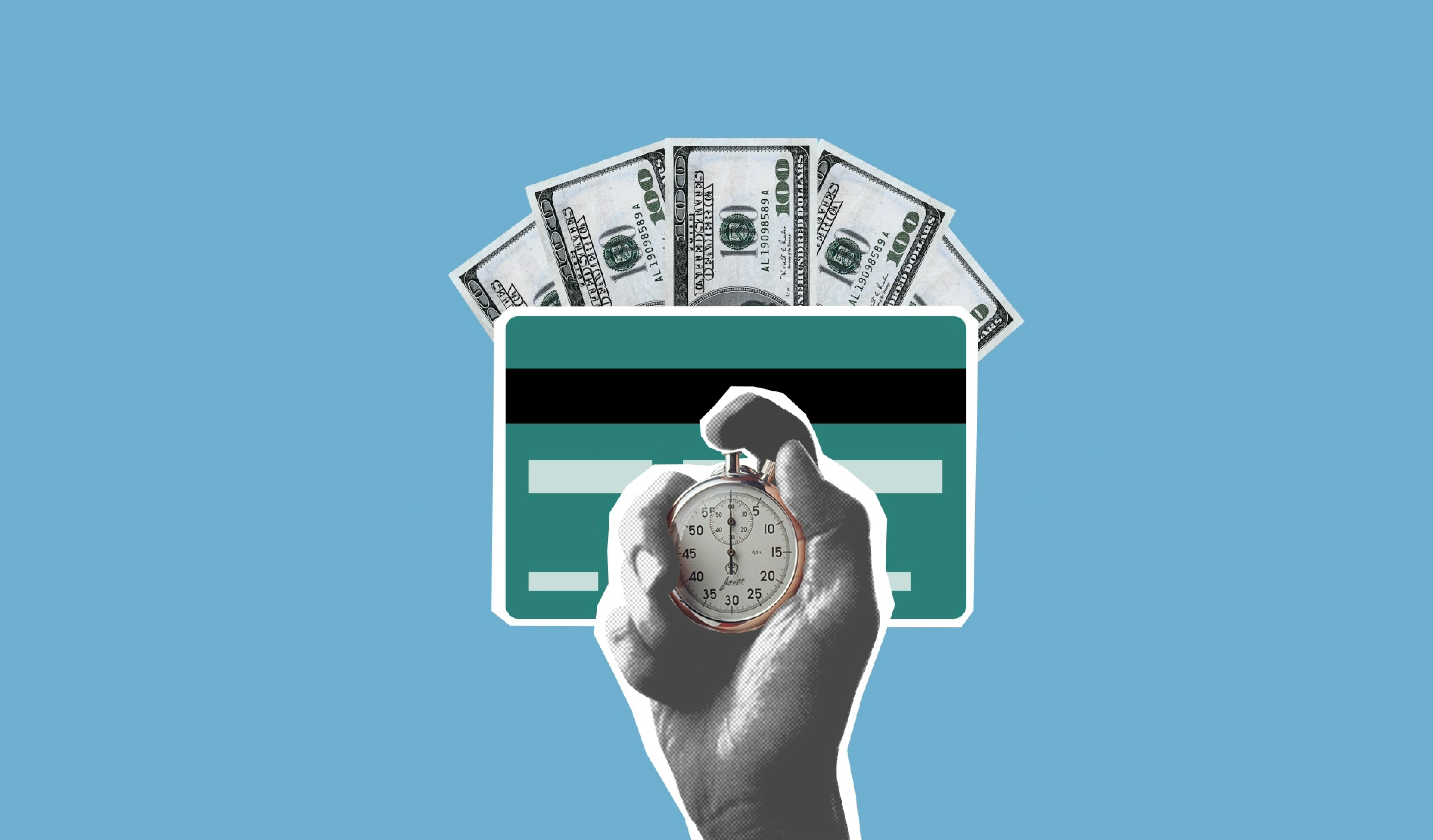
Credit cards get a bad reputation, and for good reason—they've buried countless people in debt with interest rates that can spiral out of control. But here's the uncomfortable truth most people don't want to hear: when used correctly, credit cards are actually powerful tools for saving money and building wealth. The difference between financial disaster and financial advantage comes down to discipline and understanding how the system actually works.
The Golden Rule That Changes EverythingThere's exactly one rule that separates people who benefit from credit cards from those who get destroyed by them: pay your full balance every month before the due date. Not the minimum payment. Not most of it. Every single penny.
If you can't commit to this rule absolutely, you shouldn't use credit cards at all. The moment you carry a balance and start paying interest, the benefits evaporate and you're just enriching credit card companies at your own expense. But if you can stick to this discipline, credit cards become one of the smartest financial tools available.
Rewards That Actually Add UpThe rewards programs aren't gimmicks if you're strategic about them. Cash back cards typically offer 1-2% back on all purchases, with some offering 3-5% on specific categories like groceries, gas, or dining. That might not sound impressive, but it adds up faster than you'd think.
Spend $2,000 per month on a card offering 2% cash back, and you're getting $480 per year—for free. That's money you were going to spend anyway, but now you're getting a discount on all of it. Compare that to a savings account offering 0.5% interest on $2,000, which would earn you just $10 per year.
The key is matching cards to your actual spending patterns. If you spend heavily on groceries, use a card with elevated rewards for supermarkets. If you travel frequently, a travel rewards card makes sense. Don't chase rewards in categories where you don't naturally spend money that defeats the purpose.
Protection You Can't Get With Debit CardsCredit cards provide consumer protections that debit cards simply can't match. Purchase protection covers items you buy if they're damaged or stolen within a certain period. Extended warranties automatically add time to manufacturer warranties. Return protection helps if a store won't take something back.
More importantly, fraud protection is substantially better with credit cards. If someone steals your debit card information and drains your checking account, that's your actual money gone while you fight to get it back. With a credit card, it's the bank's money at risk, and they're far more motivated to resolve fraud quickly.
The Fair Credit Billing Act gives you strong rights when disputing credit card charges. You can withhold payment for defective products or services not rendered. These protections create leverage that simply doesn't exist when paying with debit or cash.
Building Credit While Saving MoneyYour credit score affects far more than just loan approvals. Landlords check it before approving rental applications. Insurance companies use it to set rates. Some employers review credit reports before hiring. A strong credit score saves you money across multiple areas of life.
Using credit cards responsibly—keeping utilization low, paying on time every month, maintaining accounts long-term—builds your credit score effectively. This improved score leads to better interest rates on mortgages, auto loans, and other necessary borrowing, potentially saving tens of thousands of dollars over your lifetime.
The Traps to Actively AvoidAnnual fees only make sense if rewards exceed the cost. A card with a $95 annual fee needs to generate more than $95 in value to be worthwhile. Do the math honestly before paying for premium cards.
Cash advances are financial poison with immediate interest charges and higher rates than purchases. Never use credit cards to withdraw cash unless facing a genuine emergency with no alternatives.
Store cards often carry higher interest rates and offer less flexibility than general-purpose cards. The "20% off today" discount isn't worth opening a card you'll rarely use, potentially hurting your credit score with unnecessary inquiries and new accounts.
Make It Automatic, Make It SafeSet up automatic payments for the full balance each month. This eliminates the risk of forgetting a payment and triggering late fees or interest charges. Most banks let you automate this through bill pay or direct withdrawal from checking.
Track spending actively. Just because you're getting rewards doesn't mean you should spend more. The point is to get benefits on money you'd spend anyway, not to justify unnecessary purchases.
The Bottom LineCredit cards are tools, nothing more. Like any tool, they can build or destroy depending on how you use them. The benefits—cash back, purchase protection, credit building, fraud protection are real and substantial if you play by one simple rule: never carry a balance.
If you can't trust yourself to pay in full every month, stick with debit cards or cash. There's no shame in recognizing your limitations. But if you can maintain discipline, credit cards offer legitimate financial advantages that leave money on the table when ignored.
The truth about credit cards is simple: they reward discipline and punish impulsiveness. Which side of that equation you land on determines whether they help or hurt you.
[img]https://images.pexels.com/photos/5849580/pexels-photo-5849580.jpeg[/img]
Credit cards get a bad reputation, and for good reason—they've buried countless people in debt with interest rates that can spiral out of control. But here's the uncomfortable truth most people don't want to hear: when used correctly, credit cards are actually powerful tools for saving money and building wealth. The difference between financial disaster and financial advantage comes down to discipline and understanding how the system actually works.
[b][size=150]The Golden Rule That Changes Everything[/size][/b]
There's exactly one rule that separates people who benefit from credit cards from those who get destroyed by them: pay your full balance every month before the due date. Not the minimum payment. Not most of it. Every single penny.
If you can't commit to this rule absolutely, you shouldn't use credit cards at all. The moment you carry a balance and start paying interest, the benefits evaporate and you're just enriching credit card companies at your own expense. But if you can stick to this discipline, credit cards become one of the smartest financial tools available.
[b][size=150]Rewards That Actually Add Up[/size][/b]
The rewards programs aren't gimmicks if you're strategic about them. Cash back cards typically offer 1-2% back on all purchases, with some offering 3-5% on specific categories like groceries, gas, or dining. That might not sound impressive, but it adds up faster than you'd think.
Spend $2,000 per month on a card offering 2% cash back, and you're getting $480 per year—for free. That's money you were going to spend anyway, but now you're getting a discount on all of it. Compare that to a savings account offering 0.5% interest on $2,000, which would earn you just $10 per year.
The key is matching cards to your actual spending patterns. If you spend heavily on groceries, use a card with elevated rewards for supermarkets. If you travel frequently, a travel rewards card makes sense. Don't chase rewards in categories where you don't naturally spend money that defeats the purpose.
[b][size=150]Protection You Can't Get With Debit Cards[/size][/b]
Credit cards provide consumer protections that debit cards simply can't match. Purchase protection covers items you buy if they're damaged or stolen within a certain period. Extended warranties automatically add time to manufacturer warranties. Return protection helps if a store won't take something back.
More importantly, fraud protection is substantially better with credit cards. If someone steals your debit card information and drains your checking account, that's your actual money gone while you fight to get it back. With a credit card, it's the bank's money at risk, and they're far more motivated to resolve fraud quickly.
The Fair Credit Billing Act gives you strong rights when disputing credit card charges. You can withhold payment for defective products or services not rendered. These protections create leverage that simply doesn't exist when paying with debit or cash.
[b][size=150]Building Credit While Saving Money[/size][/b]
Your credit score affects far more than just loan approvals. Landlords check it before approving rental applications. Insurance companies use it to set rates. Some employers review credit reports before hiring. A strong credit score saves you money across multiple areas of life.
Using credit cards responsibly—keeping utilization low, paying on time every month, maintaining accounts long-term—builds your credit score effectively. This improved score leads to better interest rates on mortgages, auto loans, and other necessary borrowing, potentially saving tens of thousands of dollars over your lifetime.
[b][size=150]The Traps to Actively Avoid[/size][/b]
Annual fees only make sense if rewards exceed the cost. A card with a $95 annual fee needs to generate more than $95 in value to be worthwhile. Do the math honestly before paying for premium cards.
Cash advances are financial poison with immediate interest charges and higher rates than purchases. Never use credit cards to withdraw cash unless facing a genuine emergency with no alternatives.
Store cards often carry higher interest rates and offer less flexibility than general-purpose cards. The "20% off today" discount isn't worth opening a card you'll rarely use, potentially hurting your credit score with unnecessary inquiries and new accounts.
[b][size=150]Make It Automatic, Make It Safe[/size][/b]
Set up automatic payments for the full balance each month. This eliminates the risk of forgetting a payment and triggering late fees or interest charges. Most banks let you automate this through bill pay or direct withdrawal from checking.
Track spending actively. Just because you're getting rewards doesn't mean you should spend more. The point is to get benefits on money you'd spend anyway, not to justify unnecessary purchases.
[b][size=150]The Bottom Line[/size][/b]
Credit cards are tools, nothing more. Like any tool, they can build or destroy depending on how you use them. The benefits—cash back, purchase protection, credit building, fraud protection are real and substantial if you play by one simple rule: never carry a balance.
If you can't trust yourself to pay in full every month, stick with debit cards or cash. There's no shame in recognizing your limitations. But if you can maintain discipline, credit cards offer legitimate financial advantages that leave money on the table when ignored.
The truth about credit cards is simple: they reward discipline and punish impulsiveness. Which side of that equation you land on determines whether they help or hurt you.